6 Safety Tips Every Homeowner Must Know About Propane Gas Tanks
Propane is a reliable, versatile, and cost-effective fuel source that powers essential appliances across millions of residential and commercial properties. Understanding basic safety measures helps property owners manage their energy systems with complete confidence and peace of mind. By following a few fundamental guidelines, you can ensure your propane gas tanks remain fully secure, efficient, and compliant through every season.
Across the nation, millions of households and businesses depend on clean-burning fuel for heating, cooking, and daily operations. According to the National Propane Gas Association (NPGA), propane is used in 50 million American homes, with 11.9 million households relying on it for space or water heating, 1.1 million commercial accounts, 505,000 agricultural accounts, and 185,000 industrial accounts. Given how integral this energy source is to modern living, establishing proper handling protocols is essential for overall safety. Following manufacturer guidelines and working alongside certified fuel specialists keeps your energy infrastructure running smoothly.
1. Maintain Proper Clearance and Ventilation Around Tanks
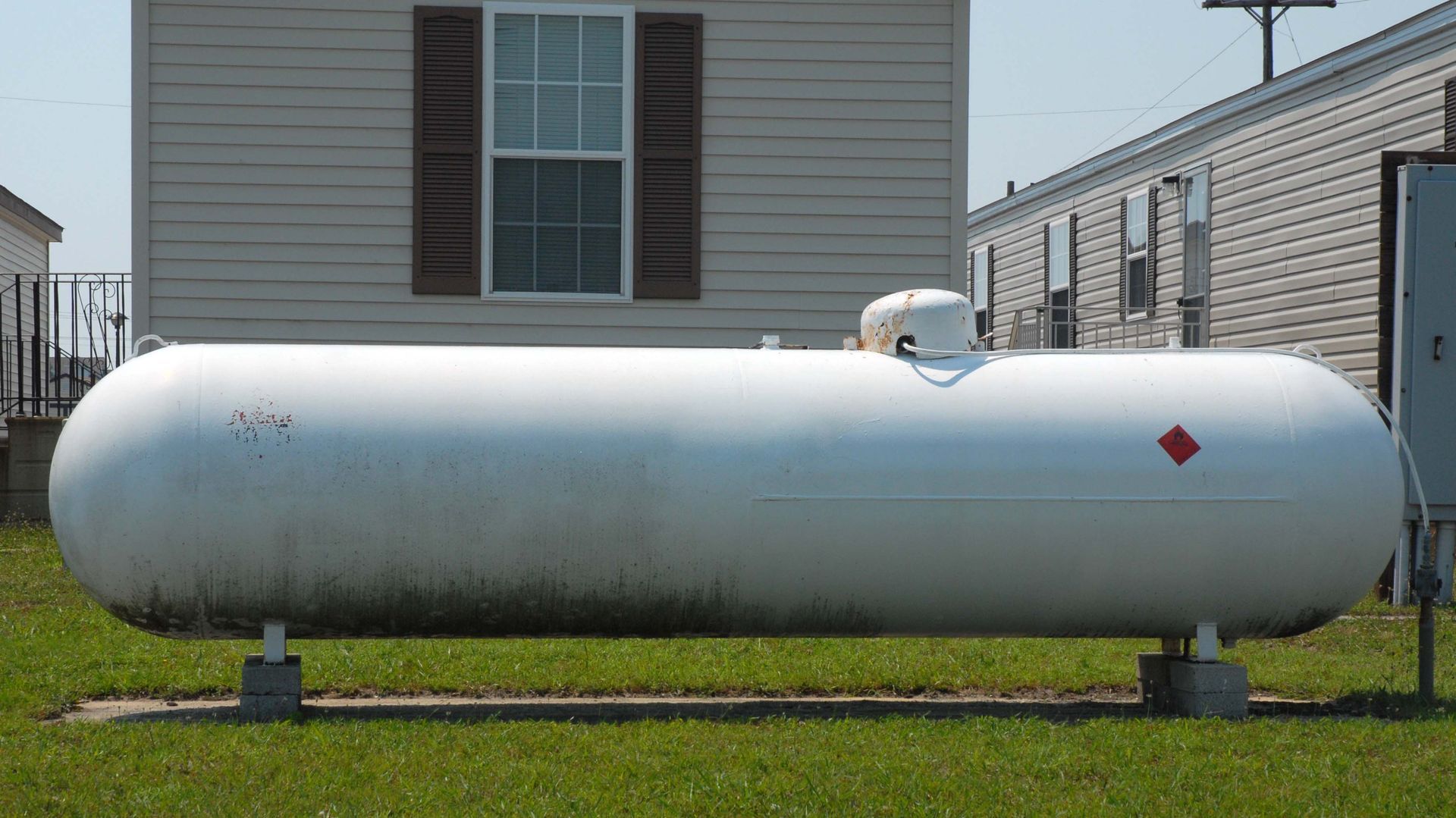
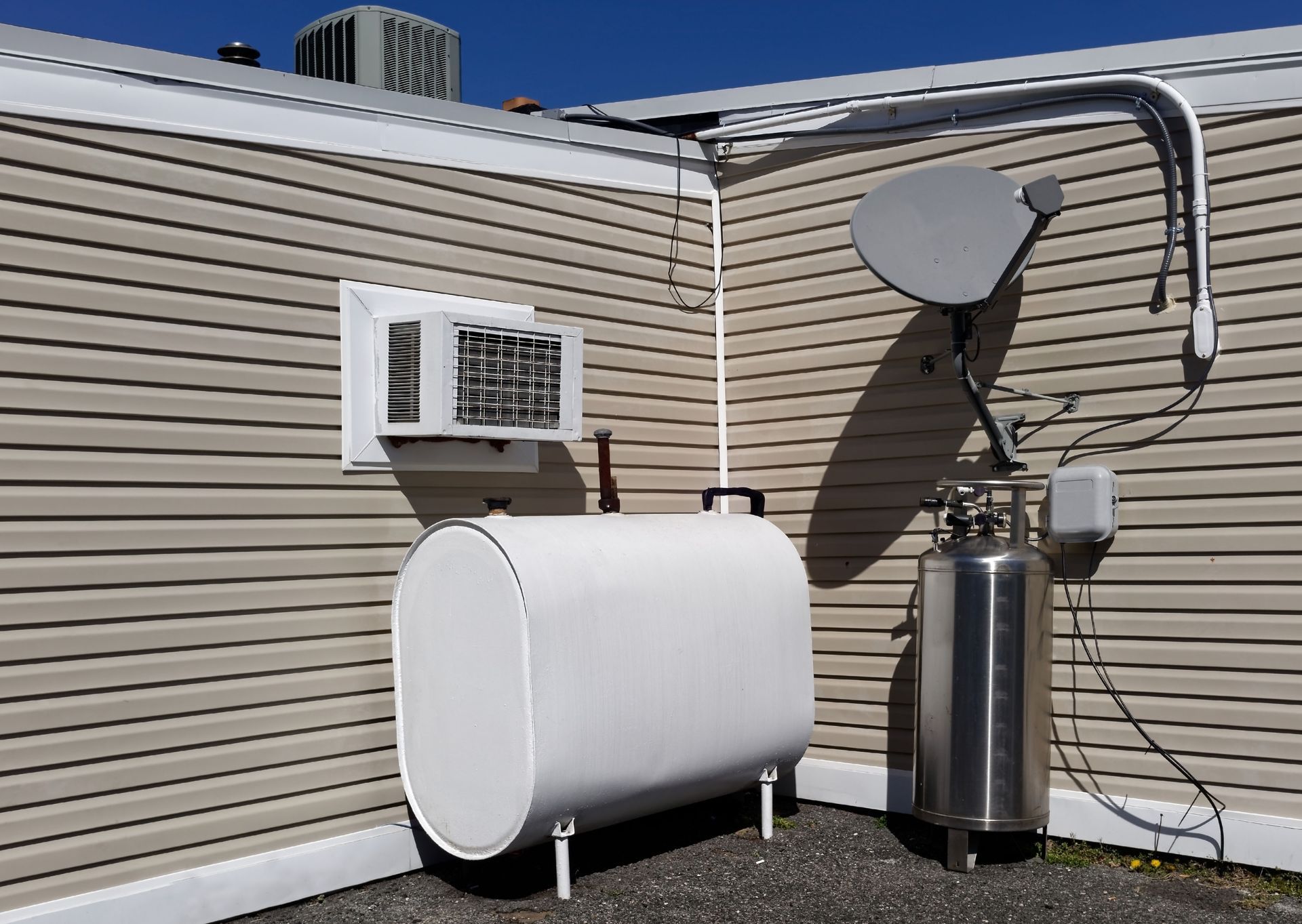
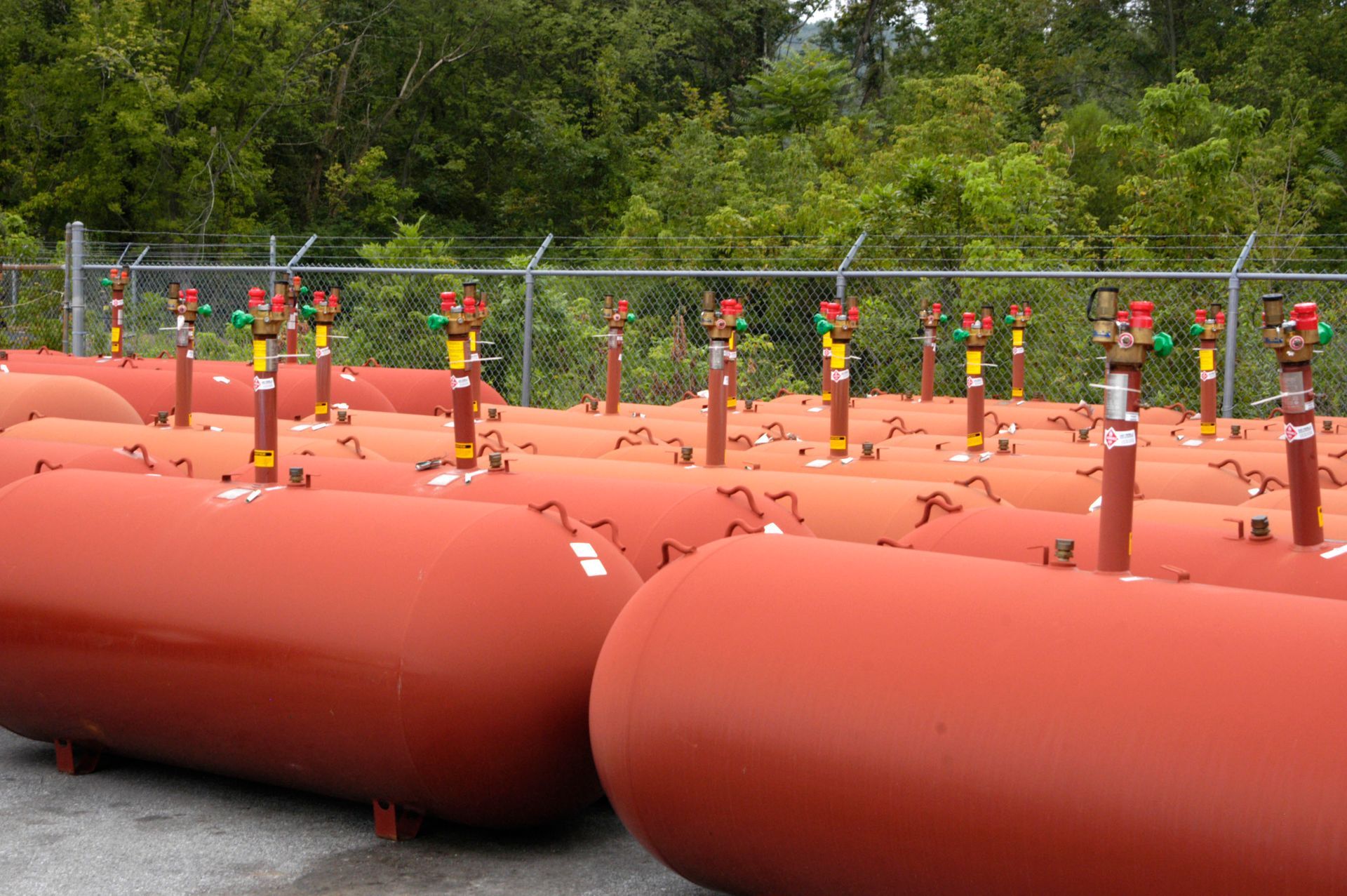
Maintaining clear space around outdoor fuel containers is vital for preventing thermal risks and ensuring easy maintenance access. Keep clear ground clearance around the entire perimeter, keeping the area completely free of dry brush, tall weeds, fallen leaves, and combustible materials. Additionally, ensure that above-ground containers sit on a level, solid concrete pad or stone base to prevent shifting, tilting, or excessive ground moisture exposure over time.
Never store portable cylinders inside enclosed spaces such as garages, basements, sheds, or living quarters. Always store portable containers upright in well-ventilated outdoor areas where escaping vapors cannot collect in low-lying zones. Proper airflow allows any trace gas to dissipate harmlessly into the atmosphere, keeping your living environment completely protected.
2. Recognize Gas Odors and Take Immediate Action
Propane manufacturers add a distinctive odorant, usually liquid ethyl mercaptan, to the fuel so users can detect escaping gas immediately. The scent resembles sulfur, rotten eggs, or skunk spray, making it instantly recognizable even at very low concentration levels. Teaching every member of your household to identify this scent is a vital step in home emergency planning.
If you ever detect this distinct smell near your appliances or outdoor containers, take immediate protective measures without hesitation. Extinguish all open flames, refrain from flipping electrical switches, and do not operate telephones or power tools nearby. Evacuate everyone from the building immediately, turn off the main gas valve on your propane gas tanks if it is safe to do so, and call your emergency line or local fire department from a safe location.
3. Schedule Regular Professional Maintenance and Inspections
Routine system evaluations ensure that regulators, shut-off valves, connecting lines, and tank surfaces remain in optimal working condition. Over time, outdoor exposure, temperature fluctuations, and ground movement can cause surface rust, worn seals, or loose fittings. Scheduling professional checkups at least once a year catches minor wear before it affects system performance.
During a professional tune-up, licensed technicians perform pressure checks, test emergency shut-off valves, and inspect outer coatings for signs of corrosion or physical damage. Certified fuel specialists also verify that regulators are operating within safe pressure limits and that protective caps remain securely in place. Partnering with experienced specialists to care for your propane gas tanks prevents unexpected system shutdowns and prolongs equipment service life.
Additionally, thorough maintenance visits often include specialized leak-check procedures across all fuel lines connecting outdoor storage to interior appliances. Early detection of micro-leaks or deteriorating gaskets prevents gradual fuel loss, preserving energy efficiency and saving property owners money over time. Technicians also confirm that all underground lines meet local safety separation distances from electrical utilities and water pipes.
4. Practice Safe Cylinder Transport and Storage Rules
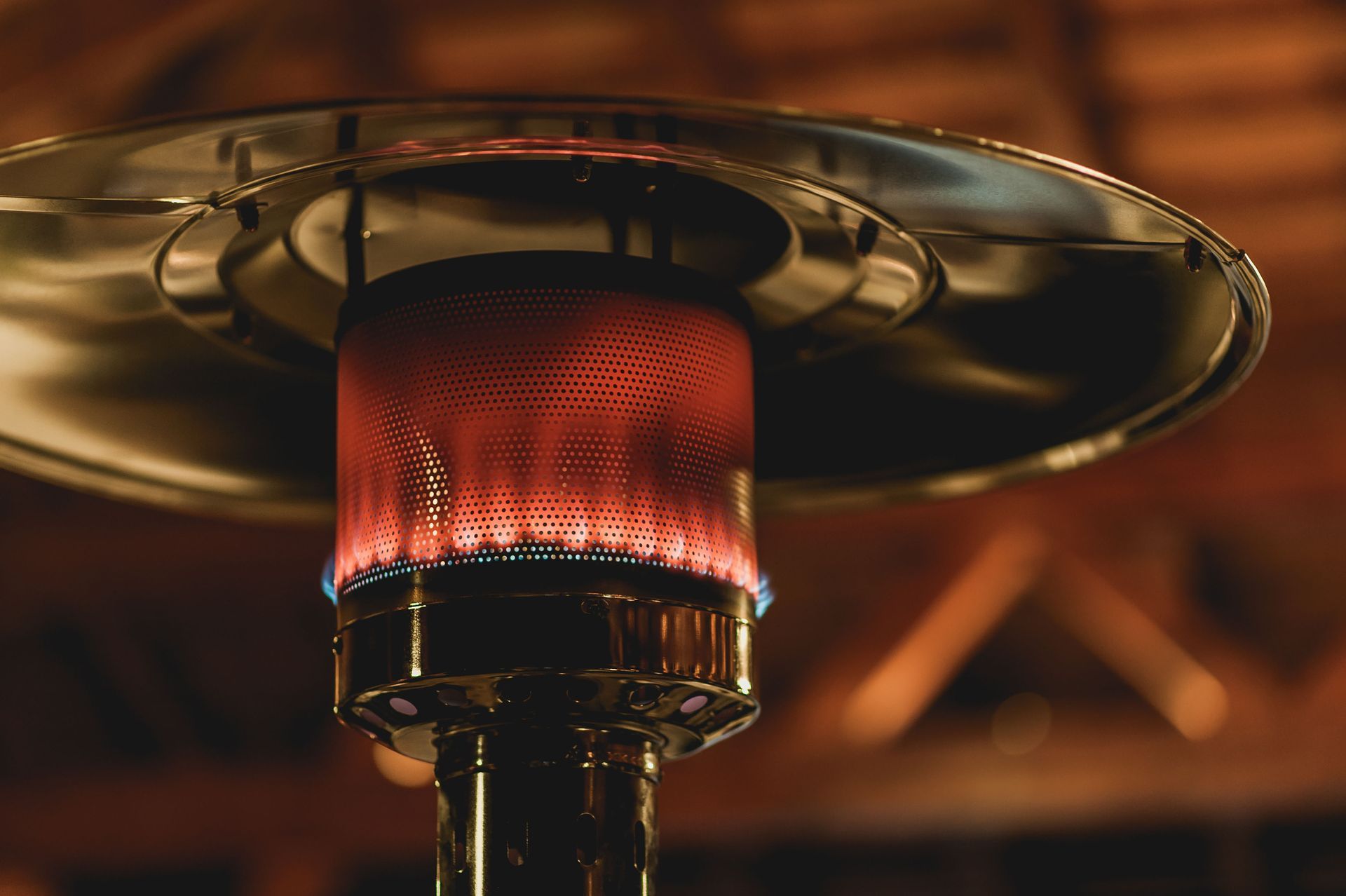
When transporting portable cylinders for outdoor grills, patio heaters, or temporary construction equipment, proper handling is essential. Always secure cylinders in an upright position inside your vehicle, ensuring they cannot tip over, roll, or slide during transit. Transport containers in well-ventilated vehicle areas, and never leave a filled cylinder sitting inside a hot, closed vehicle for extended periods.
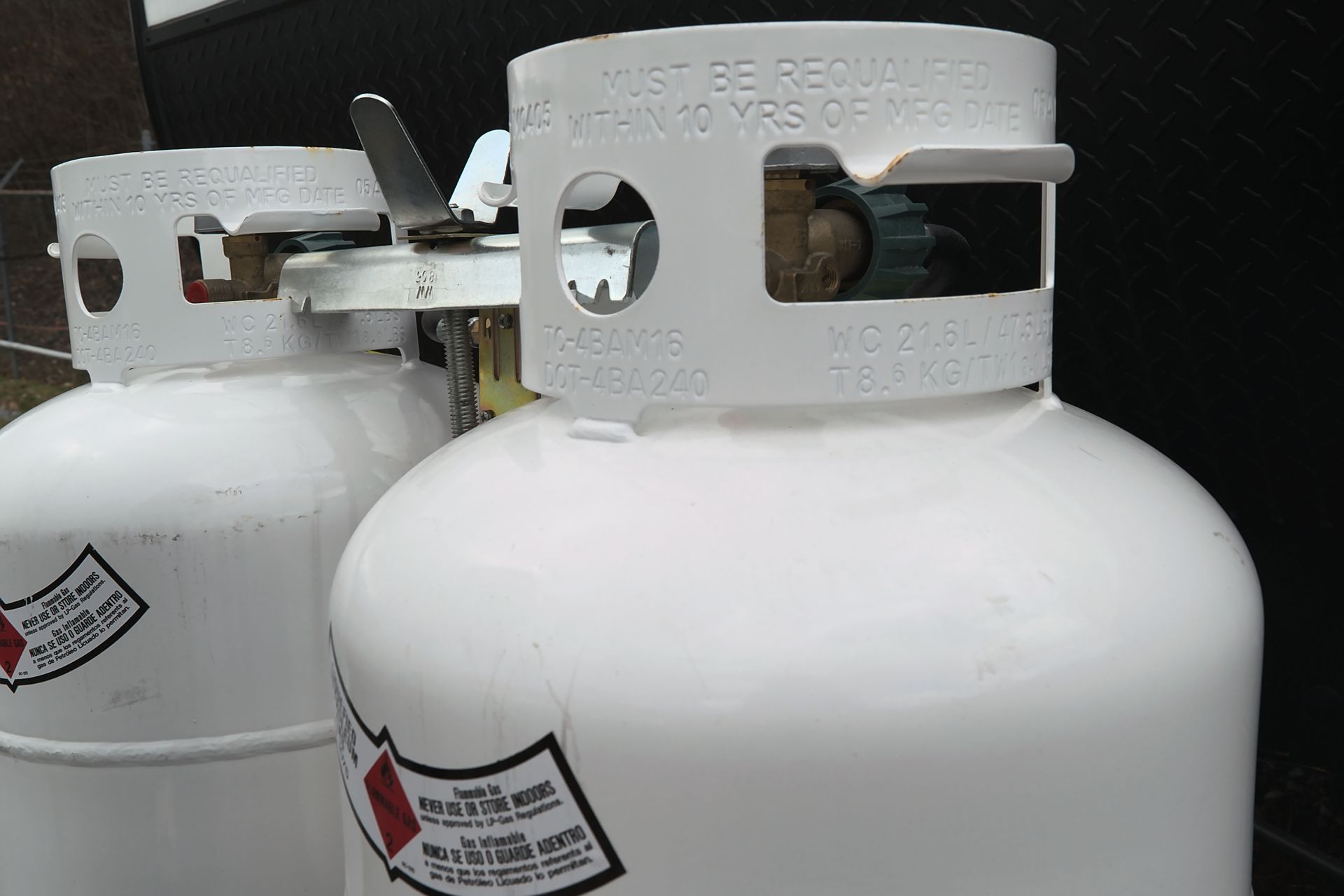
When storing portable containers during the off-season, keep them outdoors in an upright position, away from direct heat sources and electrical equipment. Inspect valve assemblies regularly to ensure dust caps remain tightly fitted over connection threads. Using properly maintained propane gas tanks for outdoor heating and cooking guarantees safe, convenient performance for every outdoor gathering.
Additionally, always inspect small portable tanks for deep dents, severe surface rust, gouges, or damaged collar handles before refilling them. Cylinders showing signs of physical compromise or structural degradation must be taken out of service and inspected by a certified professional. When placing tanks on outdoor surfaces, set them on a flat, solid base such as concrete pavers rather than bare soil to prevent bottom rim corrosion caused by ground moisture. Keeping the area surrounding storage cylinders free of fallen leaves, tall grass, and trash eliminates potential fire hazards. Taking these quick, simple precautions protects your equipment investment and ensures worry-free performance throughout every outdoor season.
5. Protect Lines and Equipment from Weather Hazards
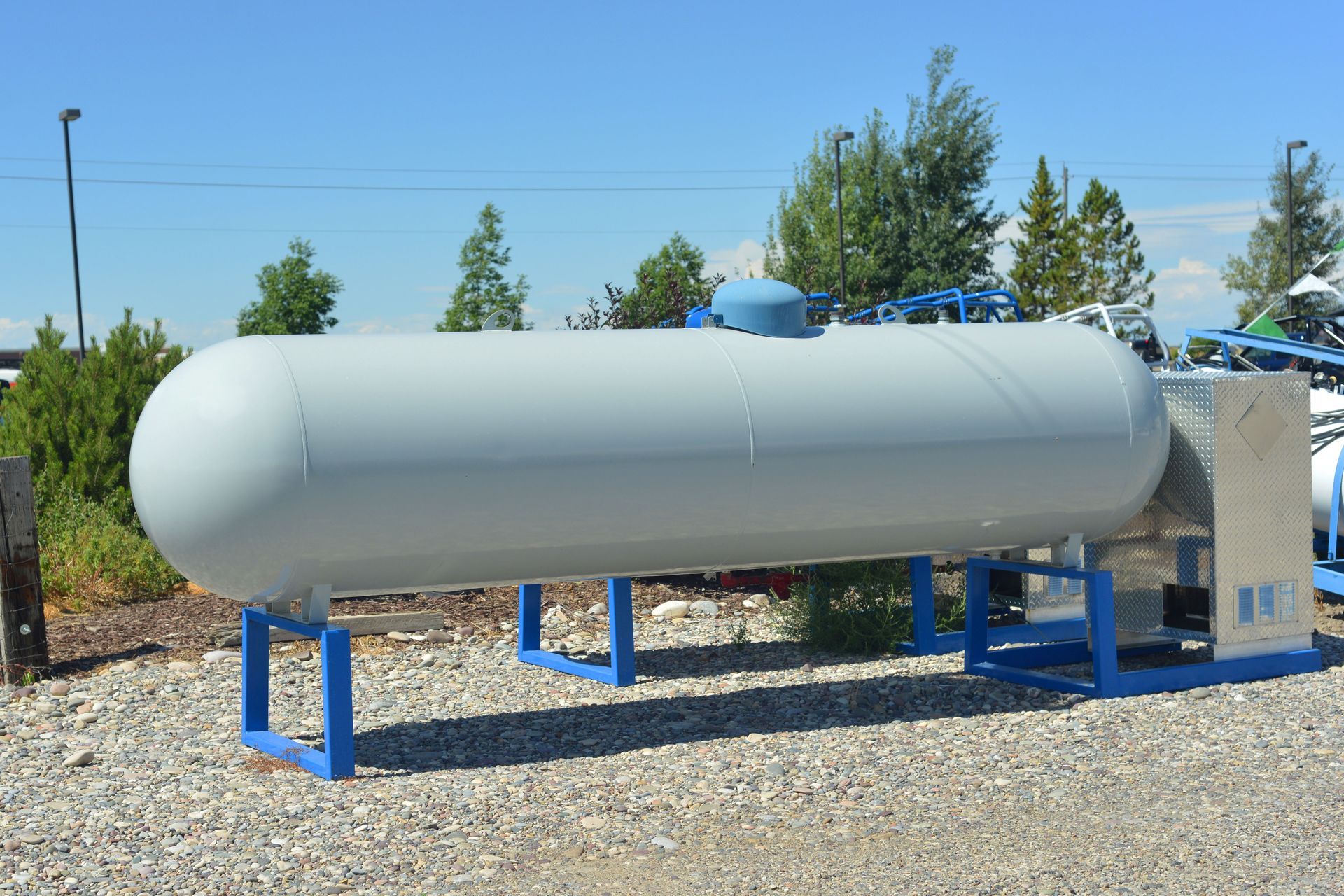
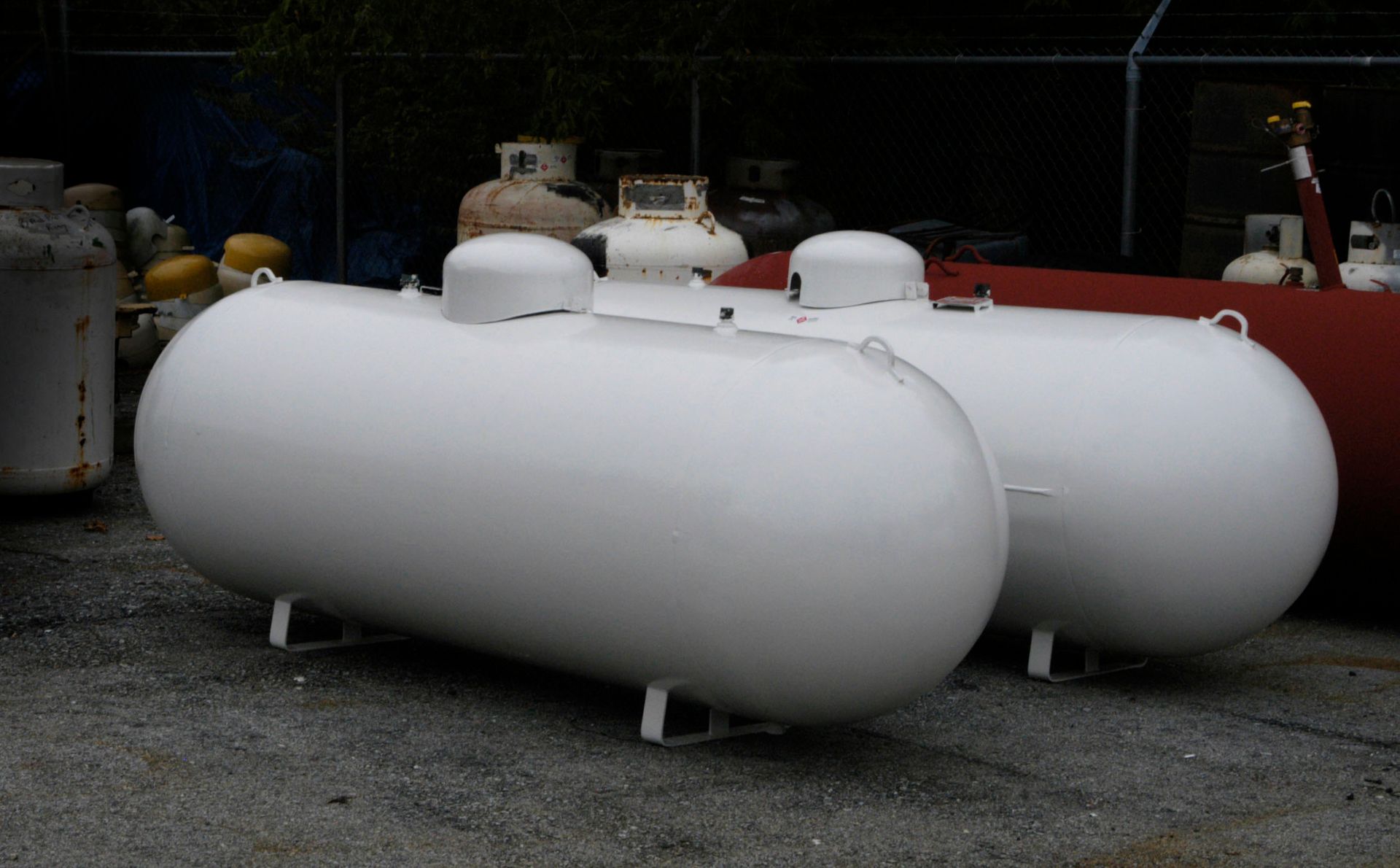
Extreme weather conditions, including heavy rain, high winds, and scorching summer heat, require extra care for outdoor fuel infrastructure. Ensure that underground lines and supply pipes are buried at approved depths and clearly marked before undertaking any digging or landscaping projects. Securing protective dome covers over tank valves keeps rain, dirt, debris, and insects from clogging sensitive pressure relief mechanisms.
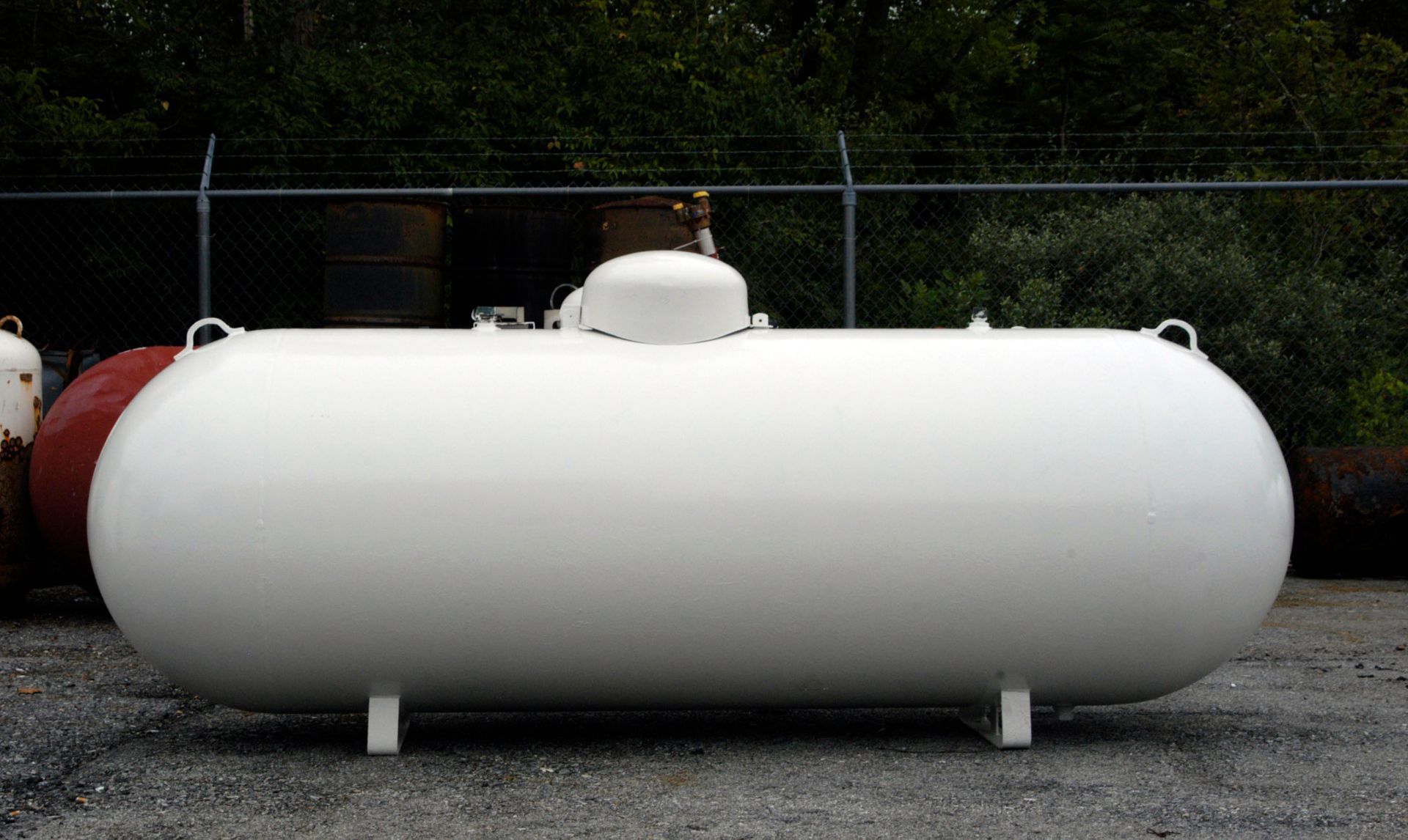
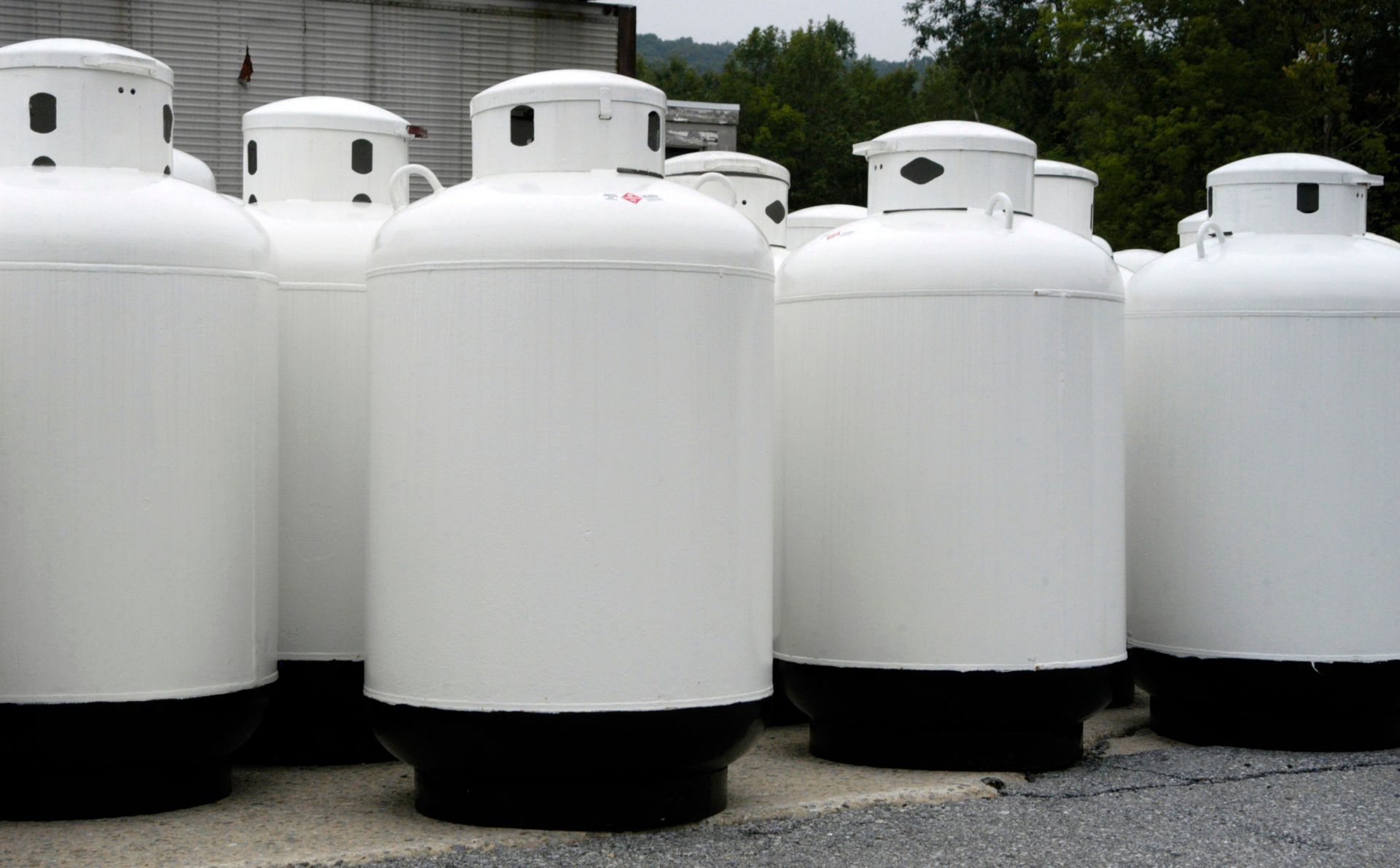
During periods of intense summer heat, fuel inside storage containers naturally expands, causing internal tank pressure to rise safely within engineered limits. Propane containers are intentionally filled to approximately 80 percent capacity to allow adequate space for this natural gas expansion. Keeping propane gas tanks painted in light, reflective colors helps minimize solar heat absorption and maintains stable internal storage conditions.
Furthermore, winter conditions bring unique challenges, such as heavy snowfall and ice accumulation that can bury regulators and supply lines. It is vital to clear snow away gently using a broom rather than sharp metal shovels that could puncture copper lines or damage fittings. Marking your container location with a bright, tall flag ensures delivery drivers can locate fill valves safely during deep snowstorms. Checking that exhaust vents for connected interior appliances remain clear of ice buildup prevents hazardous carbon monoxide from accumulating inside your home. Taking these proactive seasonal precautions safeguards your fuel infrastructure and maintains uninterrupted heating through winter.
6. Rely on Professional Refill and Installation Services
Attempting do-it-yourself modifications on high-pressure gas lines, regulators, or container valves carries severe safety risks and can violate local building codes. Qualified technicians possess the specialized tools, leak-detection equipment, and technical expertise required to perform seamless tank installations, line connections, and bulk fuel deliveries. Professional installation guarantees that all pipe sizing, venting, and pressure settings match your property's specific energy demands.
Utilizing dedicated delivery services ensures your fuel supply remains consistently stocked without unexpected outages during peak heating months. Delivery drivers inspect container condition and connection integrity during every refilling visit, providing an added layer of safety oversight. Relying on professional fuel providers for propane gas tanks ensures full compliance with national safety standards and local fire codes.
Prioritizing proper clearance, recognizing gas odors, scheduling routine maintenance, and trusting certified installers ensures your fuel system delivers safe, efficient energy year-round. From residential bulk deliveries and professional tank installations to commercial cylinder exchanges and patio heater supplies, expert support makes all the difference. For reliable fuel delivery, expert system installations, and dedicated customer service, contact the experienced team at Canyon State Propane today.
Share On: