Propane Tank Safety Rules Every Homeowner Should Follow
Proper propane tank safety is critical for every homeowner who uses propane for heating, cooking, or other household needs. While propane is a clean-burning and efficient fuel, it can be hazardous if not stored, maintained, and handled correctly. Understanding the essential safety rules helps prevent accidents, protect property, and ensure the longevity of your propane system. For homeowners relying on local propane, professional guidance is especially important to maintain safe operation and compliance with regulations.
Understand Proper Tank Sizing and Placement
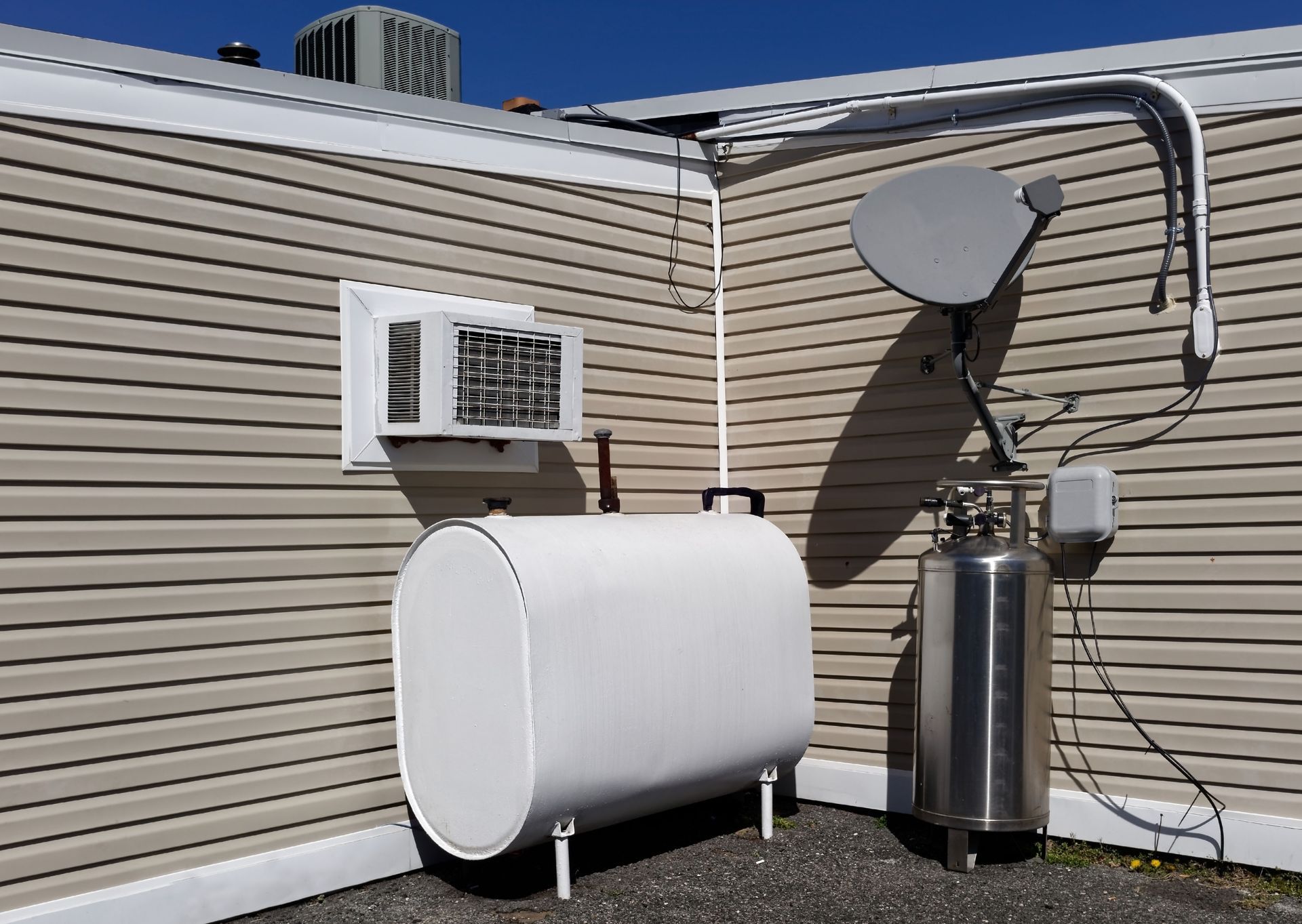
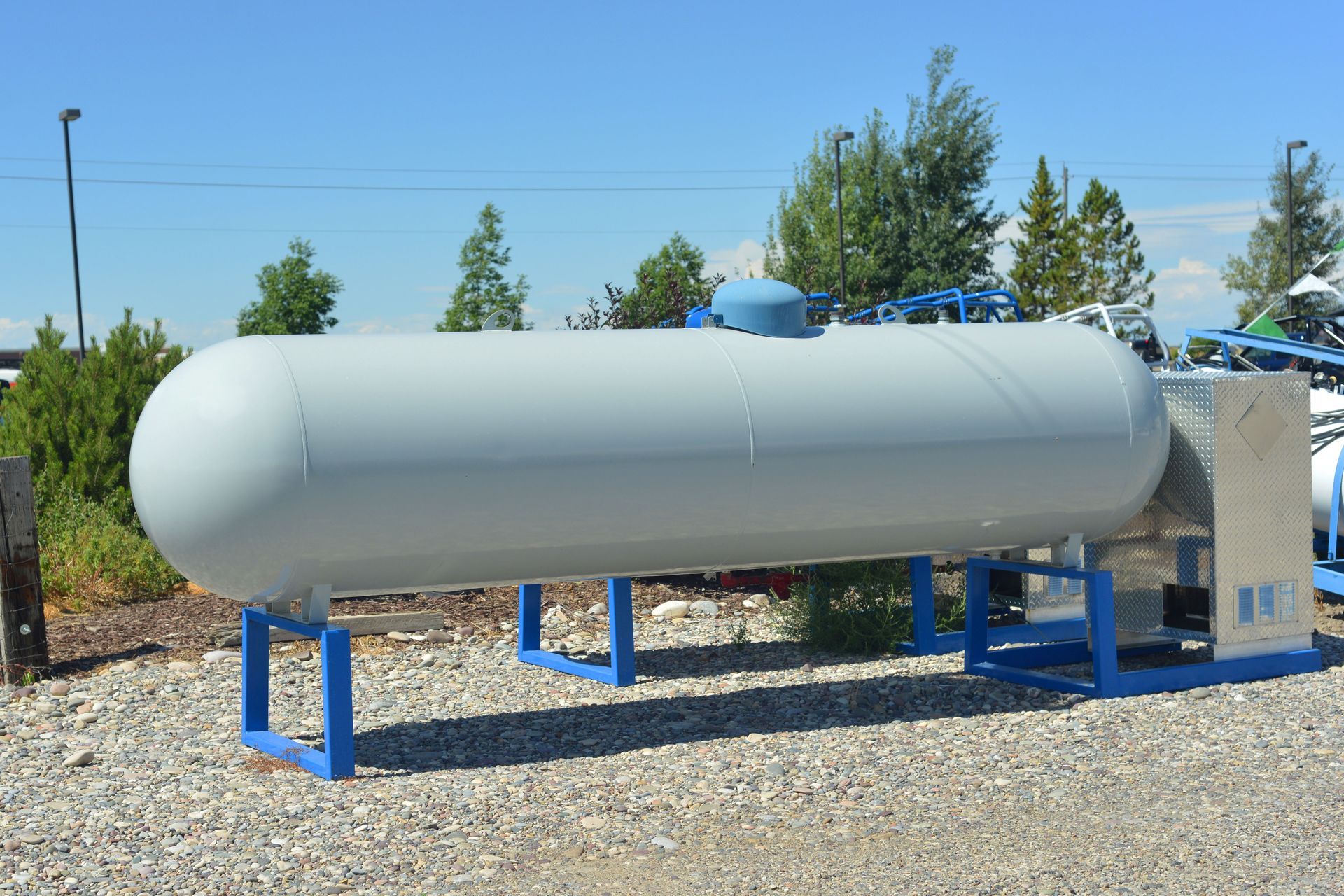
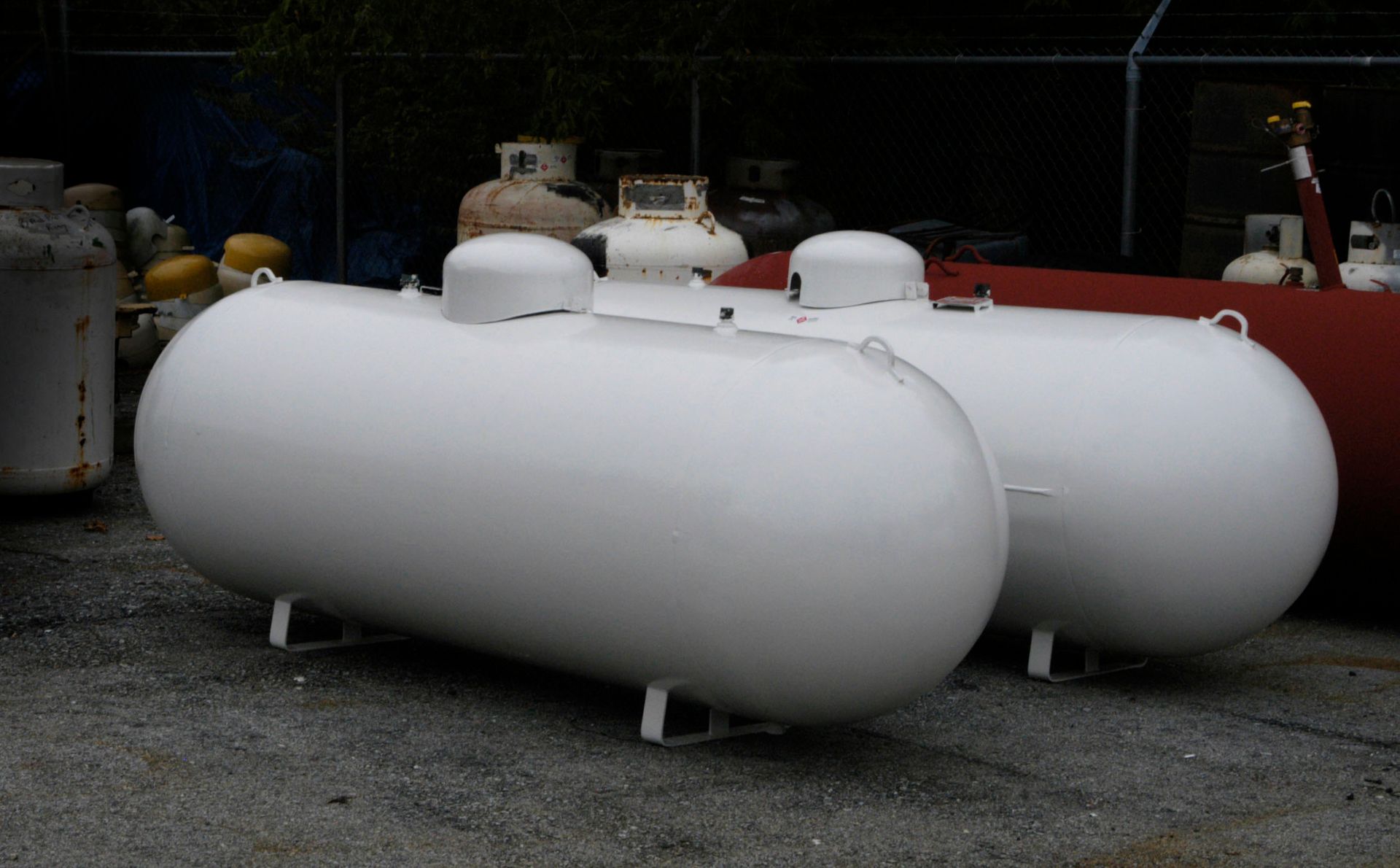
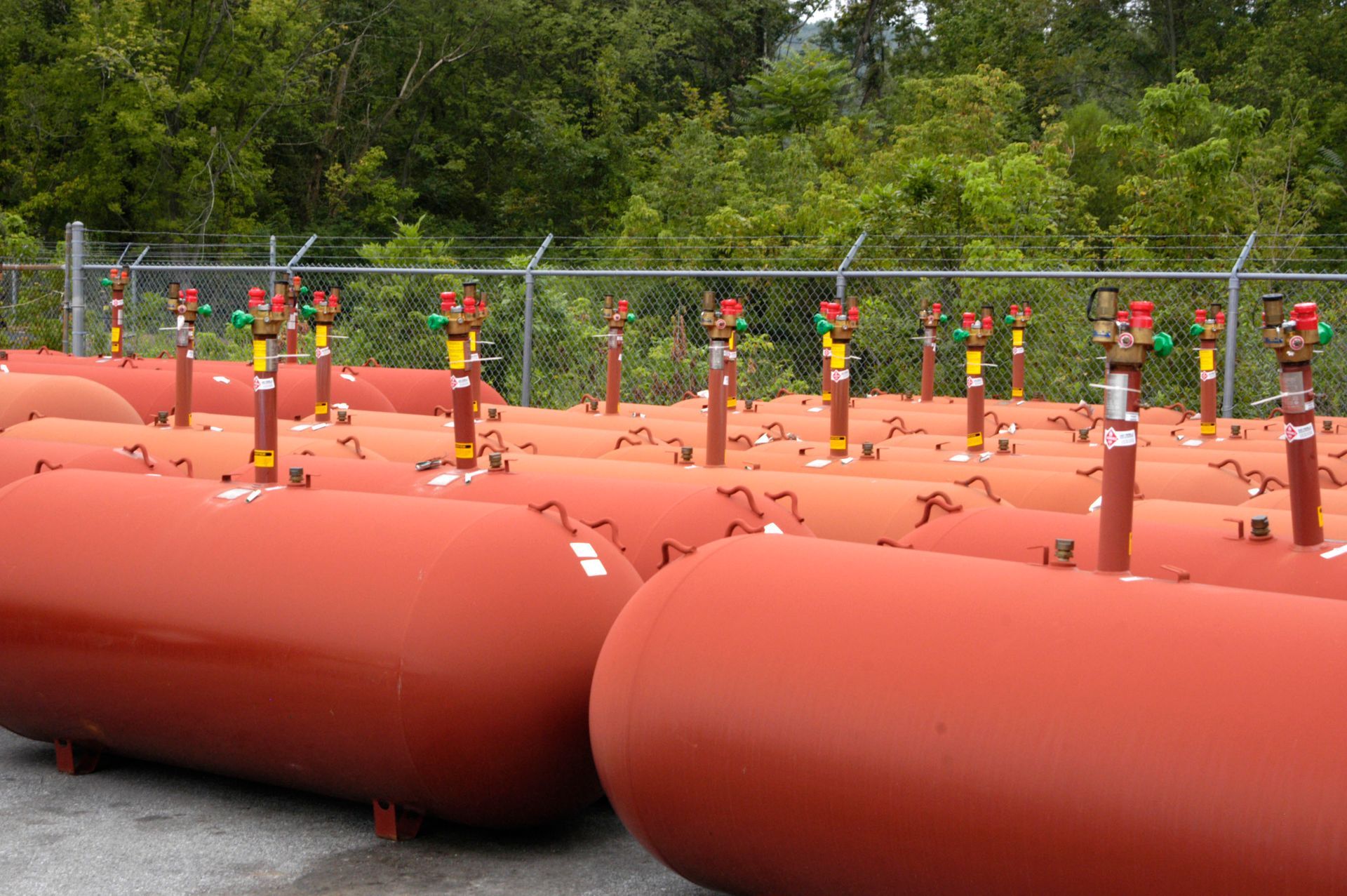
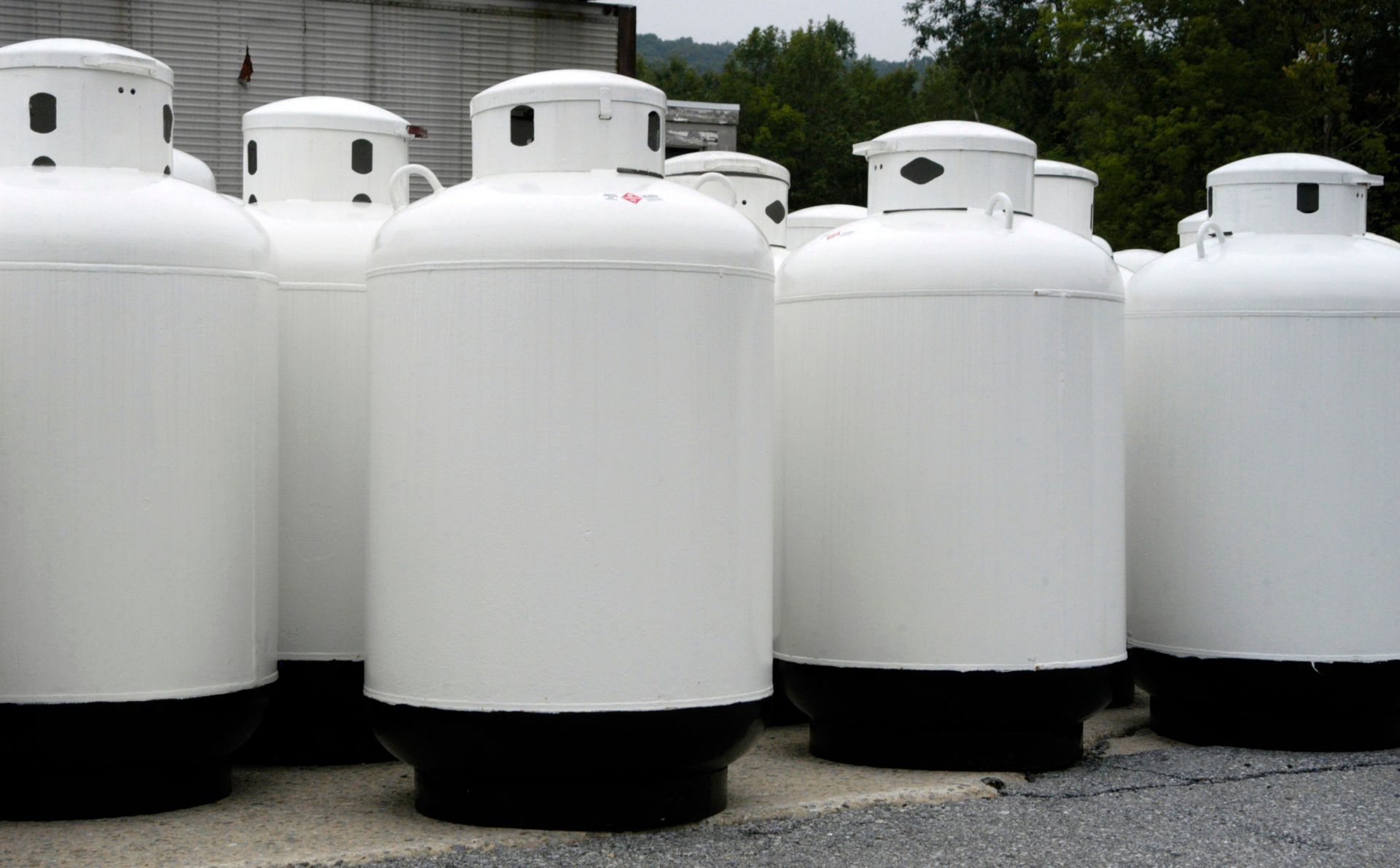
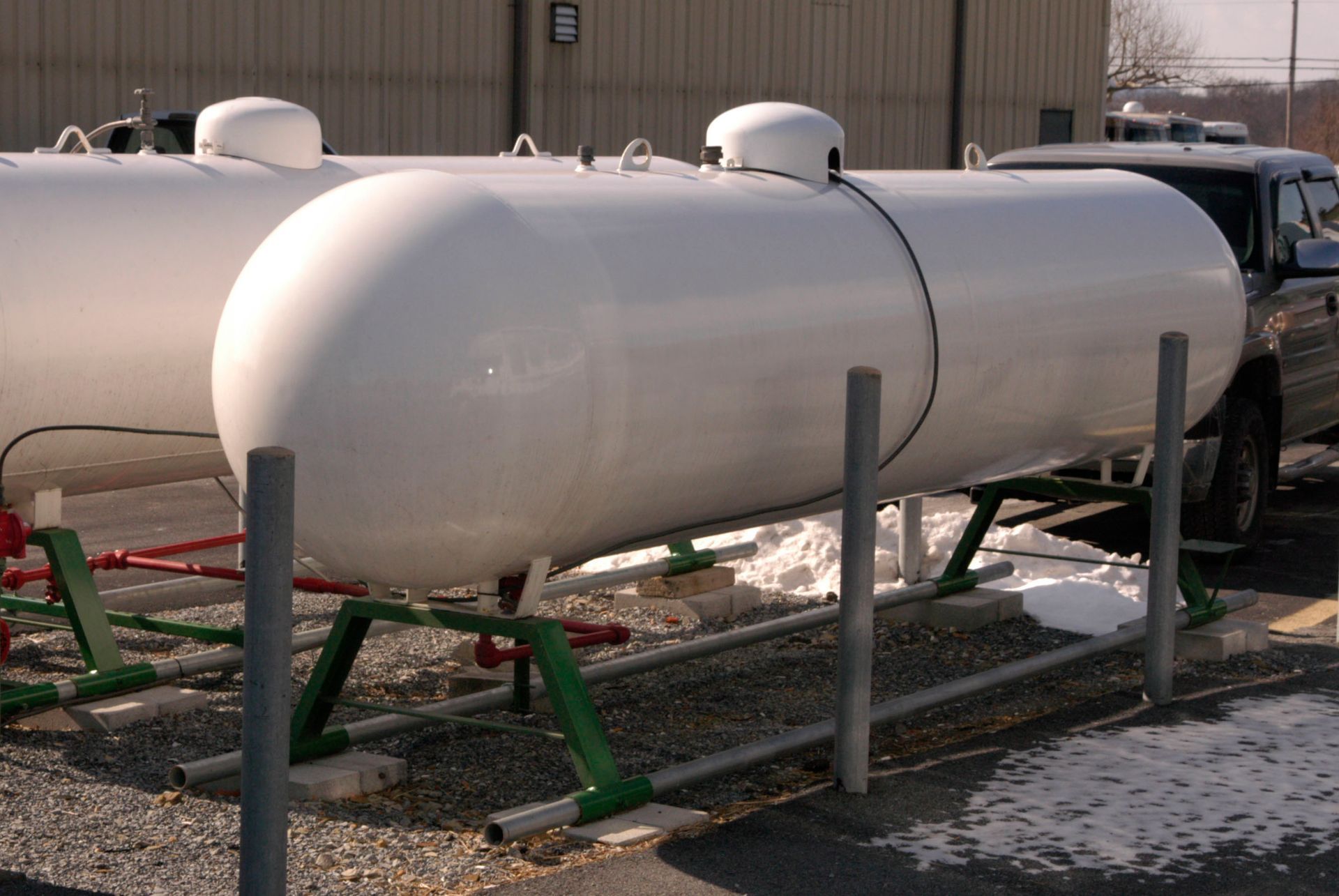
Choosing the right tank size and location is a foundational safety measure. According to This Old House, single appliances like water heaters or stoves work well with 100 to 250-gallon propane tanks. Tanks that are too small for your usage may require frequent refills, increasing the risk of errors or leaks, while oversized tanks can create unnecessary hazards. Placement matters as well: tanks should be installed on a stable, level surface, away from windows, doors, vents, or sources of ignition. Professionals can advise on optimal positioning to reduce risks from environmental exposure, such as flooding or heavy snowfall. Proper siting also facilitates safe delivery of local propane, minimizing potential handling errors during refill services.
Conduct Regular Inspections and Maintenance
Routine inspections are vital to ensure your propane tank remains safe and operational. A qualified propane service provider will check for corrosion, leaks, and structural damage. Even small rust spots or loose fittings can compromise tank integrity. Inspect hoses, valves, and regulators to confirm they are functioning correctly. Professional maintenance schedules typically include leak detection using approved methods and pressure testing when necessary. By investing in expert inspections, homeowners reduce the likelihood of emergencies and maintain compliance with safety codes, while ensuring consistent access to local propane supplies.
Monitor Pressure and Temperature Levels
Propane tanks operate under pressure, and maintaining proper levels is essential for safety. Excessive pressure can occur if tanks are exposed to high temperatures, while low pressure may indicate leaks or appliance issues. Propane expands in heat, so tanks must never be overfilled, which can lead to dangerous venting. Certified technicians use precise gauges to monitor tank pressure and recommend adjustments or relief valve installation if needed. Homeowners should be aware of temperature-related risks but rely on professionals for technical monitoring. Proper pressure management also ensures that local propane appliances operate efficiently and reliably.
Prevent Fire and Explosion Hazards
Preventing fire hazards is a central aspect of propane safety. Tanks should be kept clear of flammable materials such as dry leaves, gasoline, or firewood. Ignition sources, including open flames, electrical sparks, or smoking materials, must be avoided near the tank. In the event of a leak, propane is heavier than air and can accumulate in low-lying areas, increasing the risk of explosion. Using certified leak detectors and monitoring systems enhances safety. Professional service providers train in emergency response and can install systems that detect leaks before they become critical, giving homeowners peace of mind while using local propane.
Ensure Proper Ventilation Around Tanks
Adequate ventilation around propane tanks is crucial to prevent gas accumulation. Tanks should never be enclosed in tight spaces or basements, as escaping gas could reach dangerous concentrations. Outdoor installation with unobstructed airflow is recommended for both safety and regulatory compliance. For above-ground tanks, maintaining a clear perimeter of at least 10 feet from buildings or combustible materials reduces risk. Trained technicians can evaluate your property and recommend adjustments to meet safety standards. Proper ventilation also ensures that local propane burns efficiently in appliances without creating excess carbon monoxide hazards.
Follow Safe Refilling and Delivery Practices
Professional delivery of local propane is the safest way to refill tanks. Attempting to refill a tank without proper equipment and training can lead to overfilling, spills, or ignition. Delivery technicians follow strict protocols, including checking tank valves, monitoring fill levels, and adhering to weight limits. Many propane providers maintain automated systems that prevent overfilling, reducing human error. Homeowners should schedule regular deliveries through certified companies rather than attempting DIY refills. Ensuring professional handling guarantees consistent tank integrity and minimizes exposure to hazardous conditions during the transfer process.
Maintain Clear Signage and Emergency Information
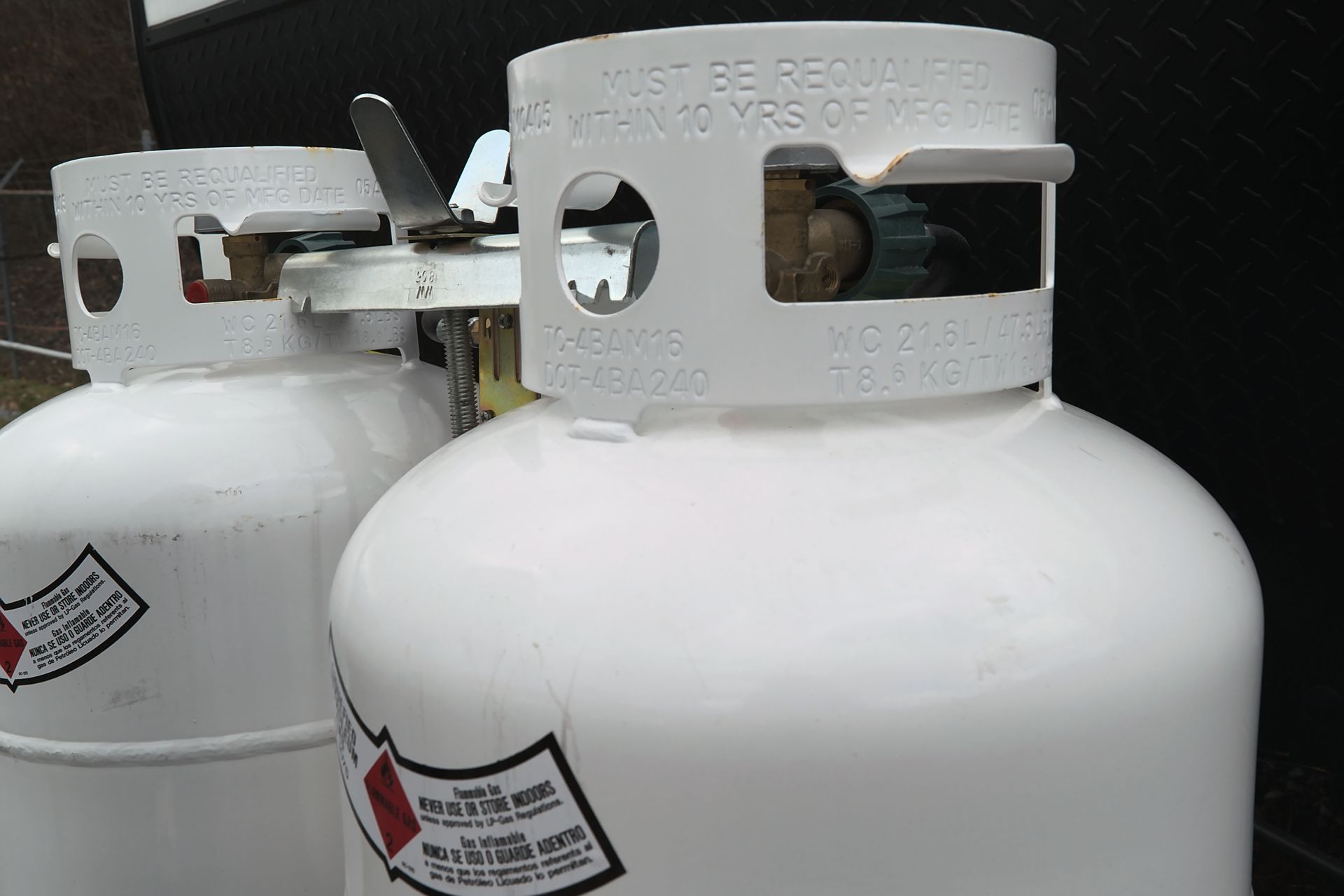
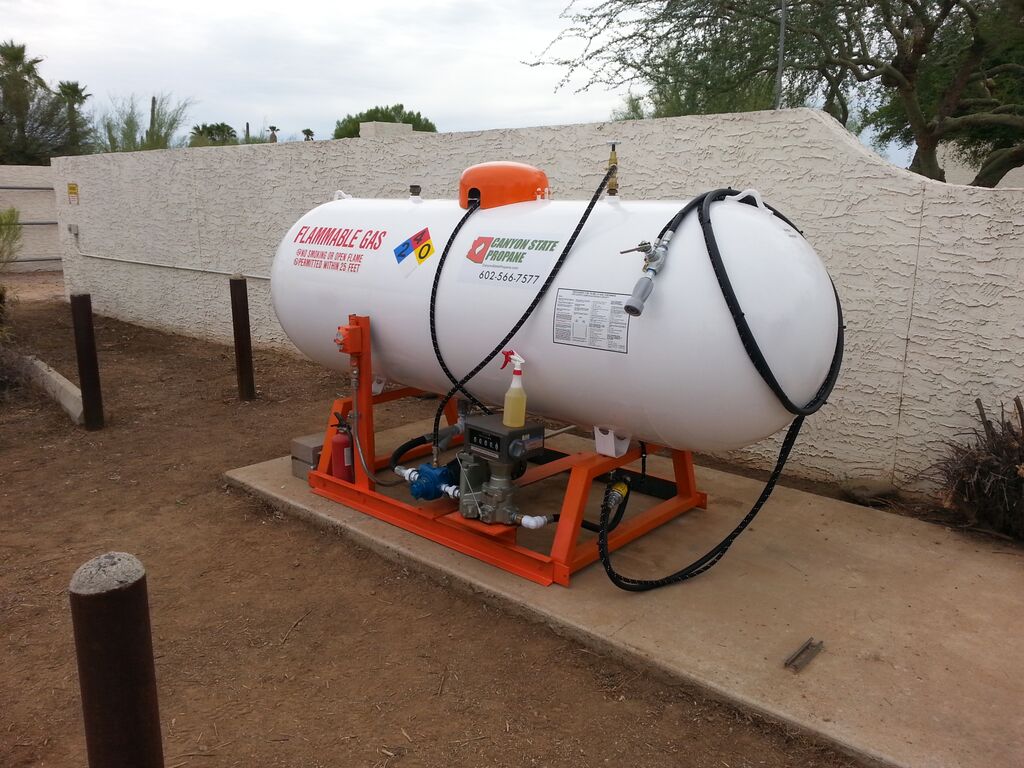
Keeping safety signage and emergency information visible near propane tanks can prevent accidents and aid responders. Signs indicating “No Smoking,” “Flammable Gas,” or “Emergency Shutoff” help remind residents and visitors to exercise caution. Additionally, displaying the contact information of your local propane provider ensures quick access to expert assistance if issues arise. Professional technicians often provide guidance on proper signage placement and emergency planning. By integrating these practices, homeowners create a safer environment while reinforcing the value of local propane expertise.
Schedule Professional Safety Audits Regularly
Periodic safety audits by certified propane professionals are an investment in long-term household safety. These audits assess tank condition, installation compliance, ventilation, and regulator performance. Professionals can identify potential issues before they escalate into emergencies, and recommend upgrades or repairs that align with industry standards. Regular audits also provide documentation that may be required for insurance purposes or home inspections. Homeowners relying on local propane benefit from these evaluations by maintaining uninterrupted service and reducing liability risks.
Understand Leak Detection and Response Protocols
Prompt detection and response to leaks is critical to avoid accidents. Propane leaks are often identified by the distinct odor of added ethyl mercaptan, but advanced detection tools provide greater reliability. Homeowners should never attempt to repair leaks themselves. Professional services employ specialized sensors and emergency shutoff systems to manage leaks safely. Immediate evacuation and notification of your local propane provider are essential steps in any leak scenario. Understanding these protocols ensures that everyone in the home can respond appropriately while leaving technical interventions to experts.
Protect Tanks From Environmental Hazards
Environmental factors can impact the safety and longevity of propane tanks. Extreme temperatures, flooding, snow accumulation, and nearby vegetation can compromise tank stability and function. Tanks should be secured to prevent tipping or damage from high winds, and snow or debris should be cleared to maintain ventilation. Regular checks by trained professionals ensure that environmental hazards are addressed promptly. For homeowners using local propane, these precautions are essential to avoid service interruptions or emergency situations.
Benefit From Professional Installation and Services
Professional installation and ongoing service provide the most significant safety advantage for homeowners using propane. Certified technicians bring knowledge, experience, and specialized equipment that homeowners typically lack. They ensure tanks are properly sized, positioned, and maintained according to best practices. Regular servicing guarantees safe operation, extends tank lifespan, and optimizes appliance performance. Partnering with experts also simplifies compliance with codes and enhances access to local propane, reducing stress and risk for homeowners.
Leverage Expertise for Peace of Mind
Ultimately, the combination of professional guidance, regular maintenance, and informed household practices ensures that propane remains a safe and reliable energy source. Homeowners gain confidence knowing that tanks are inspected, maintained, and refilled by experts who understand all aspects of propane safety. Local propane providers offer resources, support, and emergency response capabilities that greatly reduce potential hazards. By leveraging professional expertise, households maximize the benefits of propane while minimizing risk, ensuring comfort, efficiency, and safety throughout the year.
Propane can be a safe, efficient, and environmentally friendly fuel when proper precautions are followed. Adhering to tank sizing, placement, ventilation, inspection, and leak management protocols is essential for every homeowner. Professional involvement ensures compliance with regulations, consistent service, and long-term reliability. By prioritizing these safety rules, homeowners protect their families, property, and investments. For expert guidance and reliable service, contact Canyon State Propane. Our trained professionals provide safe installation, maintenance, and delivery of
local propane, ensuring that your home remains comfortable, efficient, and secure. Trust us to handle every aspect of your propane needs with care and expertise.
Share On: