
Dangers of Using an Expired Propane Tank
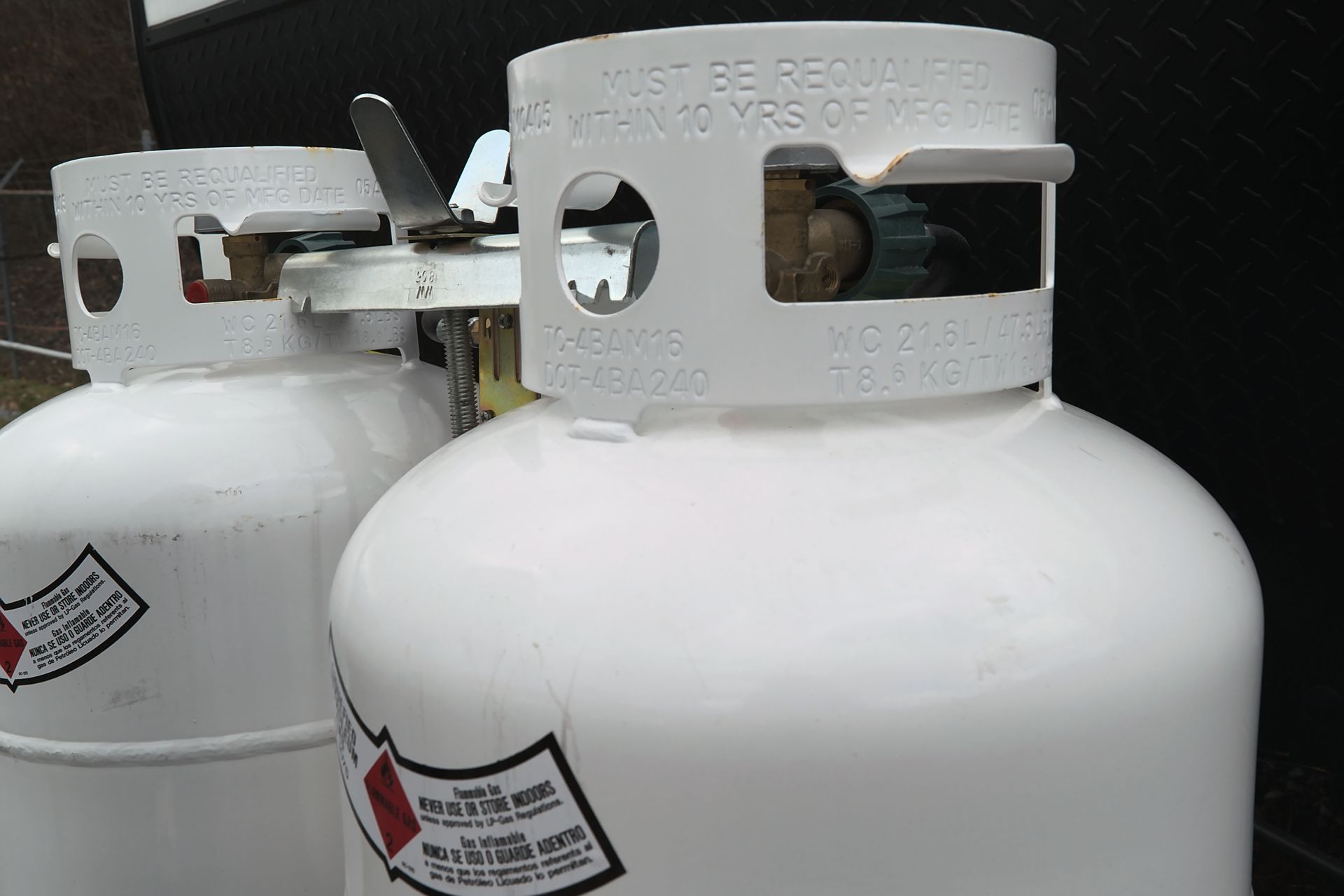
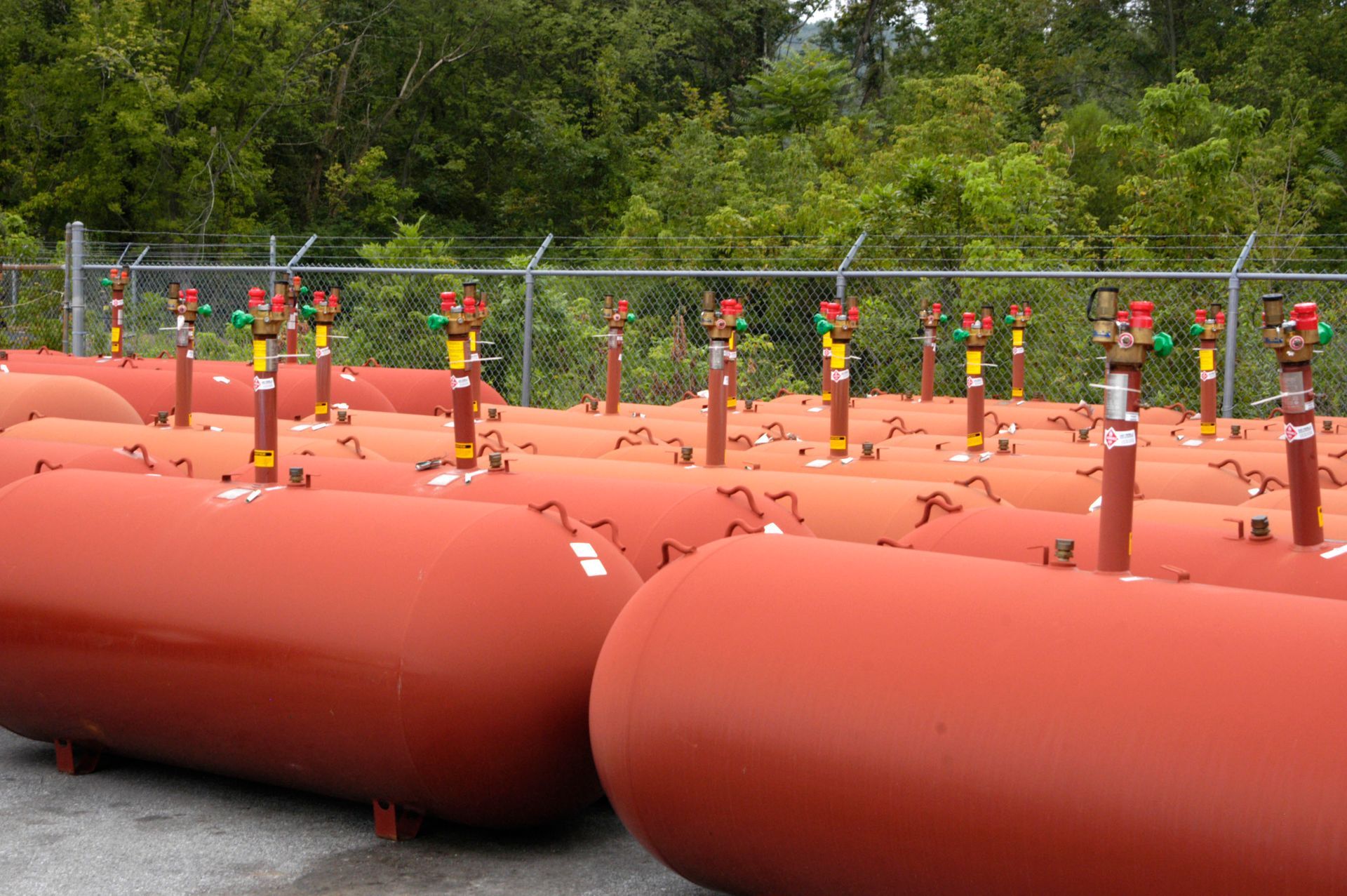
Propane is widely used for heating, cooking, appliances, and other applications that depend on a steady fuel supply. While the fuel itself can remain usable for a long time when properly stored, the container holding it requires careful attention. Propane tanks are designed to contain pressurized fuel safely, but their condition can change as they age. Corrosion, damaged components, worn valves, and other issues may make an older container less reliable, especially when it has passed required inspection or qualification periods.
An expired tank should never be treated as merely inconvenient. Expiration and requalification requirements exist because pressurized containers need periodic evaluation to determine whether they remain suitable for service. Continuing to use a container without the appropriate inspection can create avoidable safety concerns for a home, business, or property.
Fuel consumption also makes dependable storage important. According to This Old House, most homes use a 500-gallon tank for about 5 months of regular heating on average. A household that depends heavily on propane needs storage equipment that can safely support ongoing demand. Understanding the potential consequences of using an expired container can help property owners recognize why professional evaluation and timely replacement matter.
Increasing the Risk of Propane Leaks
One of the most serious concerns associated with an expired tank is the possibility of a leak. As a container ages, exposure to moisture, changing temperatures, outdoor conditions, and ordinary wear can affect its exterior and components. Corrosion may weaken metal surfaces, while aging valves, fittings, or seals may become less dependable. Even when a tank looks acceptable from a distance, deterioration can exist in areas that are difficult to evaluate without professional knowledge.
A propane leak can create several hazards because escaping fuel is highly flammable. Propane can accumulate in an enclosed or poorly ventilated area, increasing the danger if it encounters an ignition source. A leak can also interfere with the dependable operation of connected equipment. For these reasons, propane tanks that have exceeded applicable qualification periods should be professionally assessed rather than kept in service based only on appearance.
Professional inspection is important because determining the condition of a pressurized fuel container involves more than checking for obvious rust. Qualified professionals can evaluate whether a tank meets applicable requirements and whether replacement or requalification is appropriate. Avoiding continued use of an expired container reduces the chance that age-related deterioration will develop into a larger safety problem.
Increasing the Risk of Structural Failure
A propane container must remain structurally sound while holding fuel under pressure. Over time, environmental exposure and physical wear can compromise the strength of the tank. Rust is particularly concerning because corrosion can gradually reduce the integrity of metal. Dents, gouges, impact damage, or other defects may also affect whether an older container remains appropriate for continued service.
Expiration requirements provide an important checkpoint for identifying these concerns. They do not necessarily mean that every older container is visibly damaged, but they signal that the tank should not simply continue in service without the required evaluation. Propane tanks operate under conditions that make structural integrity essential, so uncertainty about the condition of the container should be taken seriously.
Increasing the Risk of Valve Problems
The tank body is only one part of a propane storage system. Valves and related components play an essential role in controlling the movement of fuel and maintaining a secure connection. These parts can experience wear as the tank ages, and damaged or deteriorated components may increase the possibility of leakage or unreliable fuel delivery.
Valve concerns are not always easy for a property owner to identify. A component may appear normal while still requiring professional attention. Attempting to manipulate, repair, or test questionable components without appropriate training can introduce additional hazards. Because propane is stored under pressure, issues involving valves and fittings are better handled by qualified professionals who understand the equipment and relevant safety practices.
Increasing the Risk of Unsafe Fuel Storage
Safe propane use depends on more than having enough fuel available. The storage container must also be suitable for the job. An expired tank introduces uncertainty into a system that should be dependable. If the tank has not received the required evaluation, a property owner may not know whether corrosion, component wear, or other age-related conditions have affected its suitability.
This uncertainty matters because propane tanks may remain on a property through changing seasons and weather conditions. Heat, cold, moisture, and outdoor exposure can all contribute to wear over time. The longer an aging container remains in service without appropriate inspection, the more important it becomes to verify that it still meets applicable standards.
Increasing the Risk of Service Disruptions
An expired tank can also create practical problems when a property depends on propane for everyday needs. If a supplier or service professional determines that a container does not meet applicable requirements, it may need attention before normal service can continue. That can create an unexpected interruption for heating, cooking, hot water, or other propane-powered equipment.
Reliable propane service depends on the condition of the entire storage and delivery system. A tank that is no longer properly qualified can become a weak point even when appliances and other equipment are functioning normally. Addressing expiration proactively supports continuity and gives professionals time to recommend the appropriate next step without unnecessary pressure.
Increasing the Risk of Equipment Performance Problems
Propane-powered equipment relies on a stable and properly maintained fuel system. Problems involving an aging tank, valve, regulator, or connection can affect how fuel reaches appliances. While equipment performance issues can have many causes, an expired or deteriorating storage container should not be overlooked when the broader system is being evaluated.
Irregular fuel delivery can be inconvenient, but it may also signal a condition that deserves professional attention. Property owners should not attempt to diagnose pressurized propane components through trial and error. A qualified professional can examine the relevant parts of the system and determine whether the tank, connected components, or another issue is responsible.
Increasing the Risk of Delayed Safety Decisions
Perhaps one of the easiest dangers to overlook is complacency. A tank may continue to appear functional after its qualification period has passed, leading a property owner to assume that no action is necessary. However, the absence of an obvious problem does not confirm that a pressurized container remains suitable for continued use.
A proactive approach means paying attention to qualification status and seeking professional guidance when a tank reaches the point at which evaluation is required. This does not require property owners to inspect or repair equipment themselves. Instead, it means recognizing that specialized propane equipment deserves specialized assessment and making safety decisions before an urgent problem forces action.
Reducing the Risks of Expired Propane Equipment
An expired tank can present concerns involving leaks, structural deterioration, valve performance, fuel storage, service continuity, equipment operation, and delayed maintenance. These issues all point to the same principle: pressurized fuel storage equipment should remain properly qualified and in suitable condition throughout its service life.
Property owners do not need to determine tank safety on their own. Professional evaluation can establish whether an older container is eligible for requalification, requires replacement, or needs other attention. Taking action at the appropriate time can reduce uncertainty and support a safer, more dependable propane system.
If you have questions about aging or expired propane tanks, contact Canyon State Propane. We can help you understand your options, assess your propane needs, and provide professional guidance for maintaining a dependable fuel supply. Reach out to us to discuss your tank and determine the appropriate next step for your property.
Share On: