9 Ways Propane Gas Can Save You Money on Energy Bills
Propane is often discussed in terms of convenience, reliability, and versatility, but its financial advantages deserve equal attention. For homeowners and businesses alike, energy costs represent a significant portion of monthly expenses. Choosing the right fuel source can have a measurable impact on both short-term utility bills and long-term operating costs. Propane stands out as a practical solution because it combines efficiency, durability, and predictable pricing.
Unlike many energy sources tied directly to fluctuating infrastructure demands, propane offers a level of control that can translate directly into savings. From heating systems to appliances, propane-powered equipment is engineered for performance. When paired with proper installation and maintenance, those performance gains often show up as reduced energy consumption and lower bills.
Below are several key ways propane gas can help reduce energy expenses while improving overall system efficiency.
1. Reduce Heating Expenses With Higher Energy Efficiency
One of propane's most compelling advantages is its energy efficiency. Propane produces more BTUs per dollar than many competing fuels, which means you generate more usable heat from the same investment. In our experience, high-efficiency propane furnaces can achieve efficiency ratings exceeding 95%, allowing homeowners to convert nearly all consumed fuel into heat.
This efficiency becomes especially valuable during peak winter months when heating demands spike. Systems powered by local propane frequently outperform older electric resistance heating systems or outdated oil furnaces. Because less fuel is required to maintain comfortable indoor temperatures, monthly heating costs tend to decrease.
Over time, those incremental savings compound. Reduced fuel consumption not only lowers bills but also places less strain on heating equipment, contributing to longer system lifespan.
2. Lower Appliance Operating Costs Through Fuel Performance
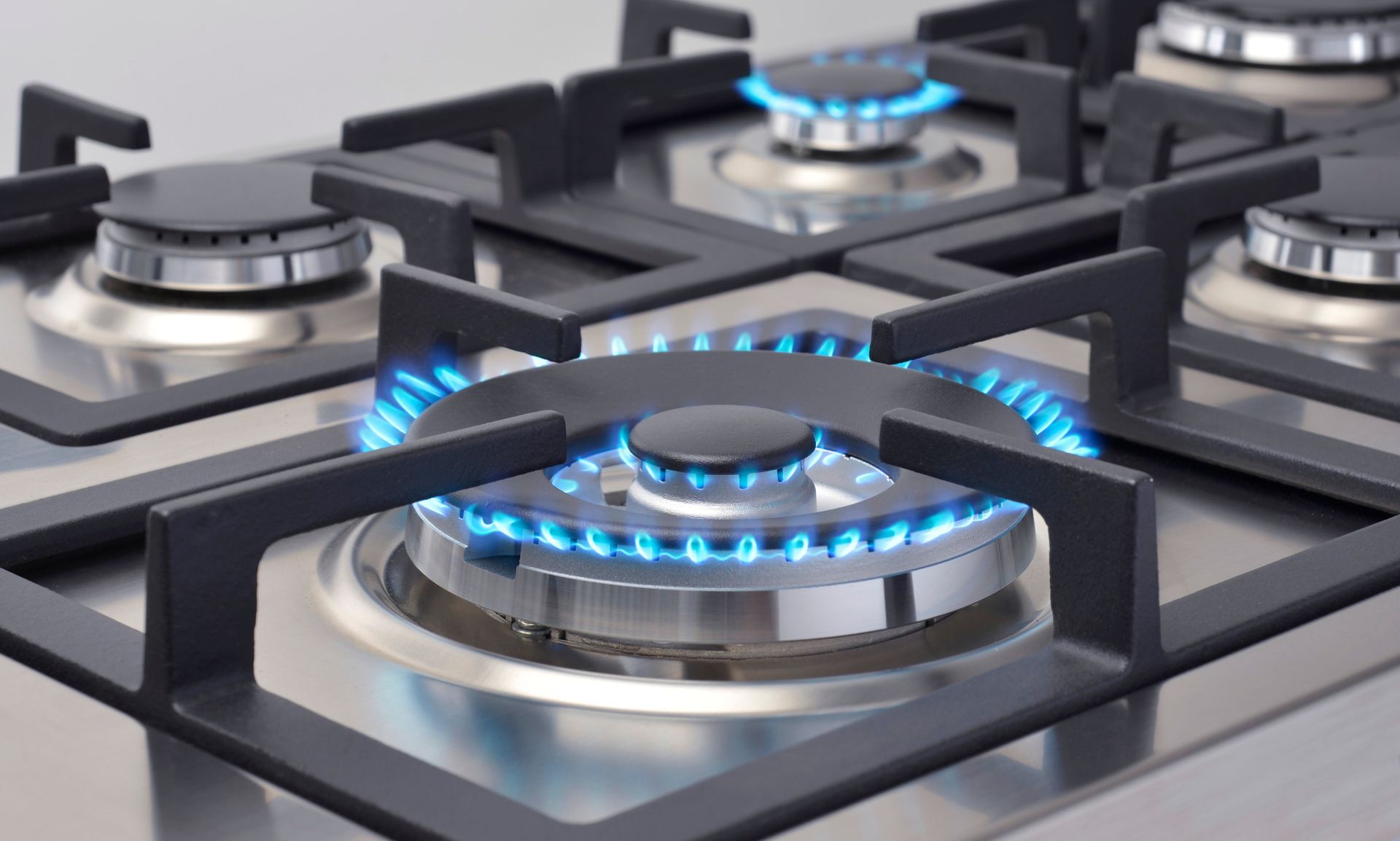
Propane appliances typically operate more efficiently than their electric counterparts. Water heaters, dryers, ranges, and fireplaces powered by propane often heat faster and consume less energy. For example, propane water heaters recover hot water significantly faster than electric models, reducing standby losses and overall energy use.
The financial impact may appear modest at first glance, but household energy consumption is cumulative. Small improvements across multiple appliances can generate meaningful annual savings. Many households that transition key systems to local propane report noticeable reductions in utility expenses.
Additionally, propane appliances often maintain consistent performance even during heavy usage periods, preventing energy waste associated with inefficient cycling or extended run times.
3. Stabilize Energy Budgets With Predictable Fuel Pricing
Electricity rates can fluctuate due to grid demand, regulatory adjustments, and seasonal pricing structures. Propane, by contrast, often provides greater pricing transparency. Many providers offer contract pricing or budget plans that help smooth seasonal cost variations.
This predictability allows homeowners and businesses to forecast energy expenses more accurately. Budget stability is itself a form of savings, as it reduces exposure to sudden utility spikes. Working with a reputable local propane supplier often provides access to flexible pricing options tailored to consumption patterns.
When fuel costs become more manageable, households gain greater control over financial planning without sacrificing comfort or performance.
4. Extend Equipment Lifespan Through Cleaner Combustion
Propane burns cleaner than many traditional fuels, producing fewer particulates and residues. Cleaner combustion translates directly into reduced wear on critical system components. Heat exchangers, burners, and valves experience less buildup, which minimizes maintenance requirements and repair frequency.
Longer equipment lifespan represents a substantial cost advantage. Replacing furnaces, water heaters, or boilers is a significant capital expense. Systems supported by local propane frequently demonstrate improved durability due to reduced internal contamination.
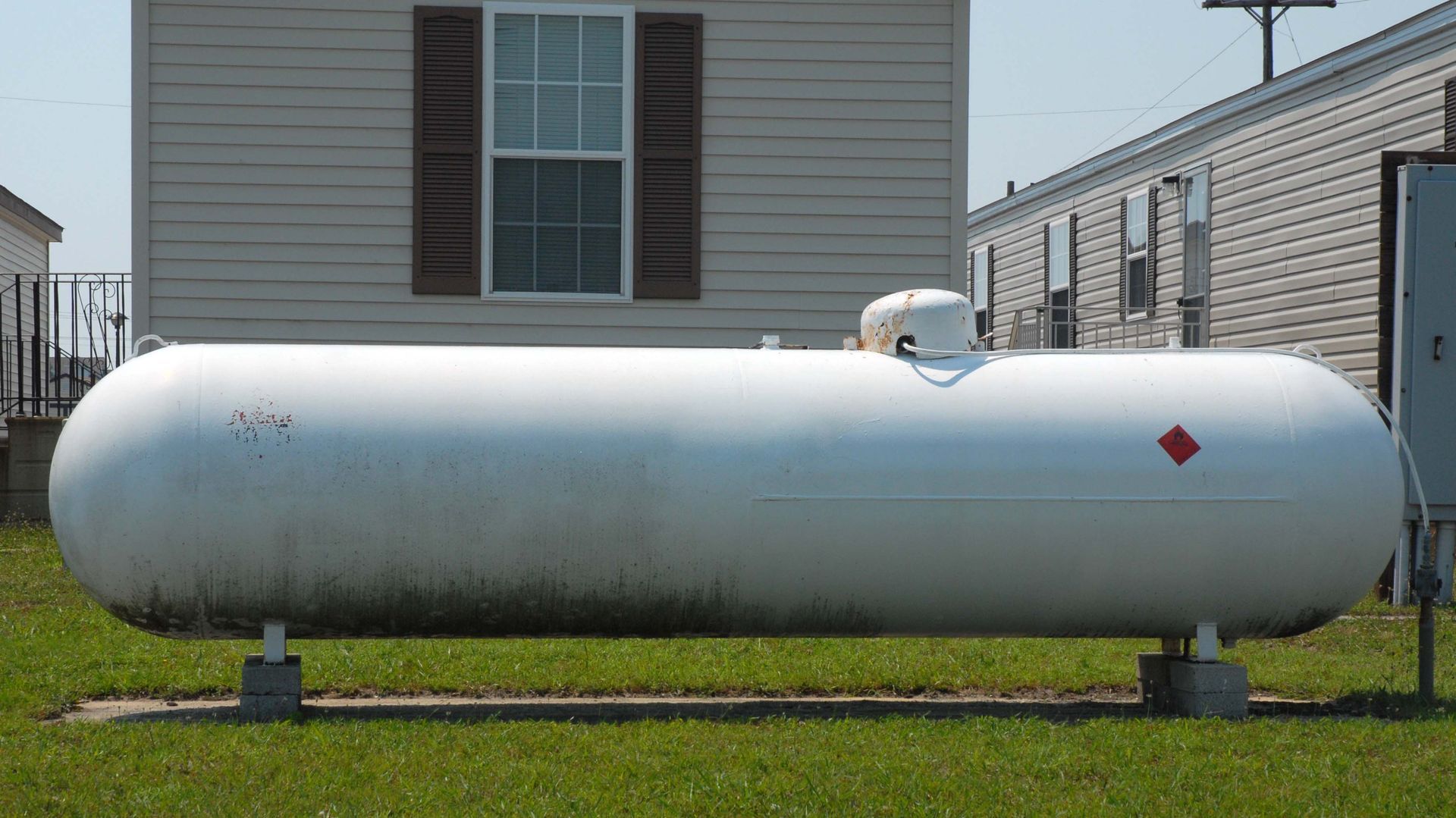
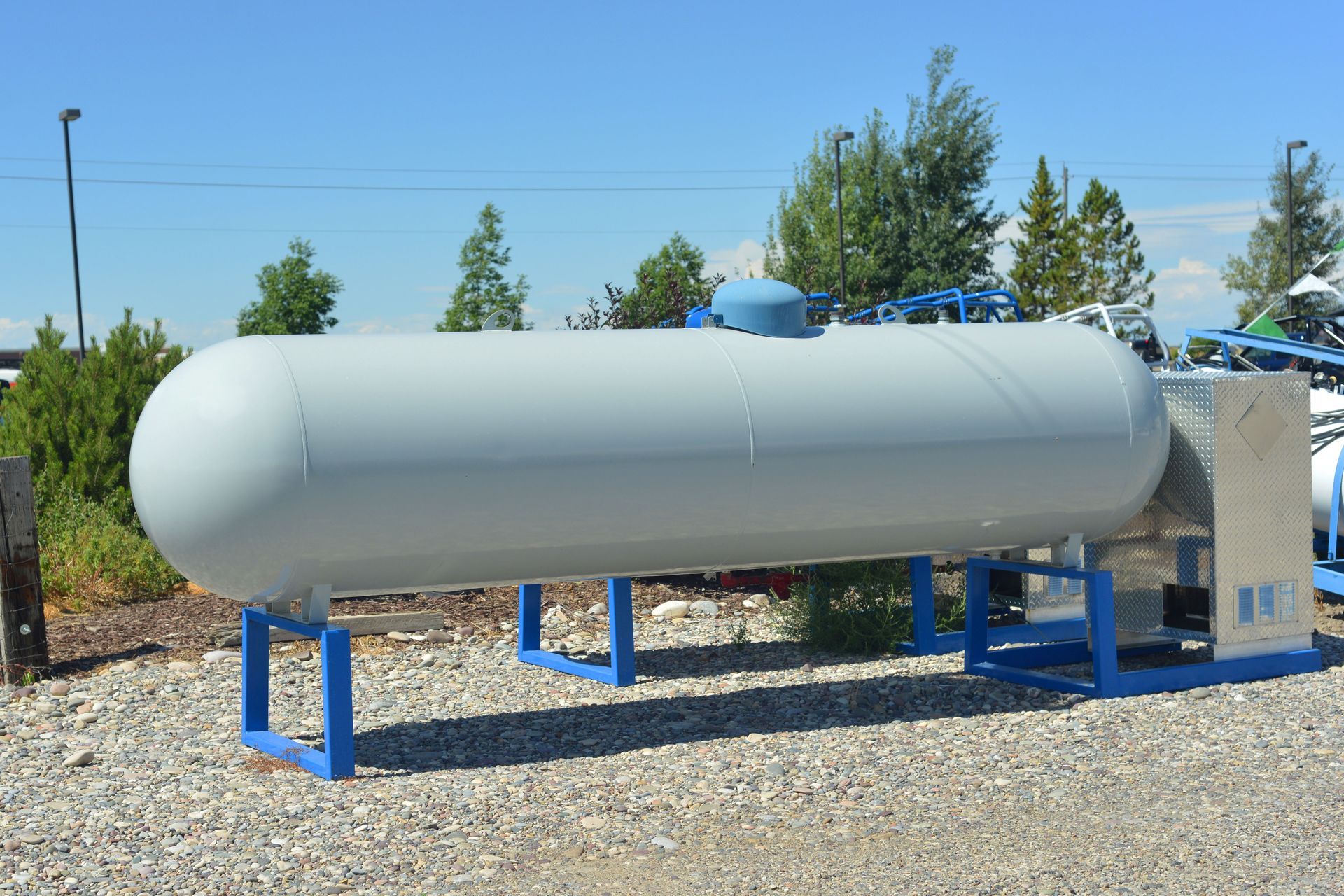
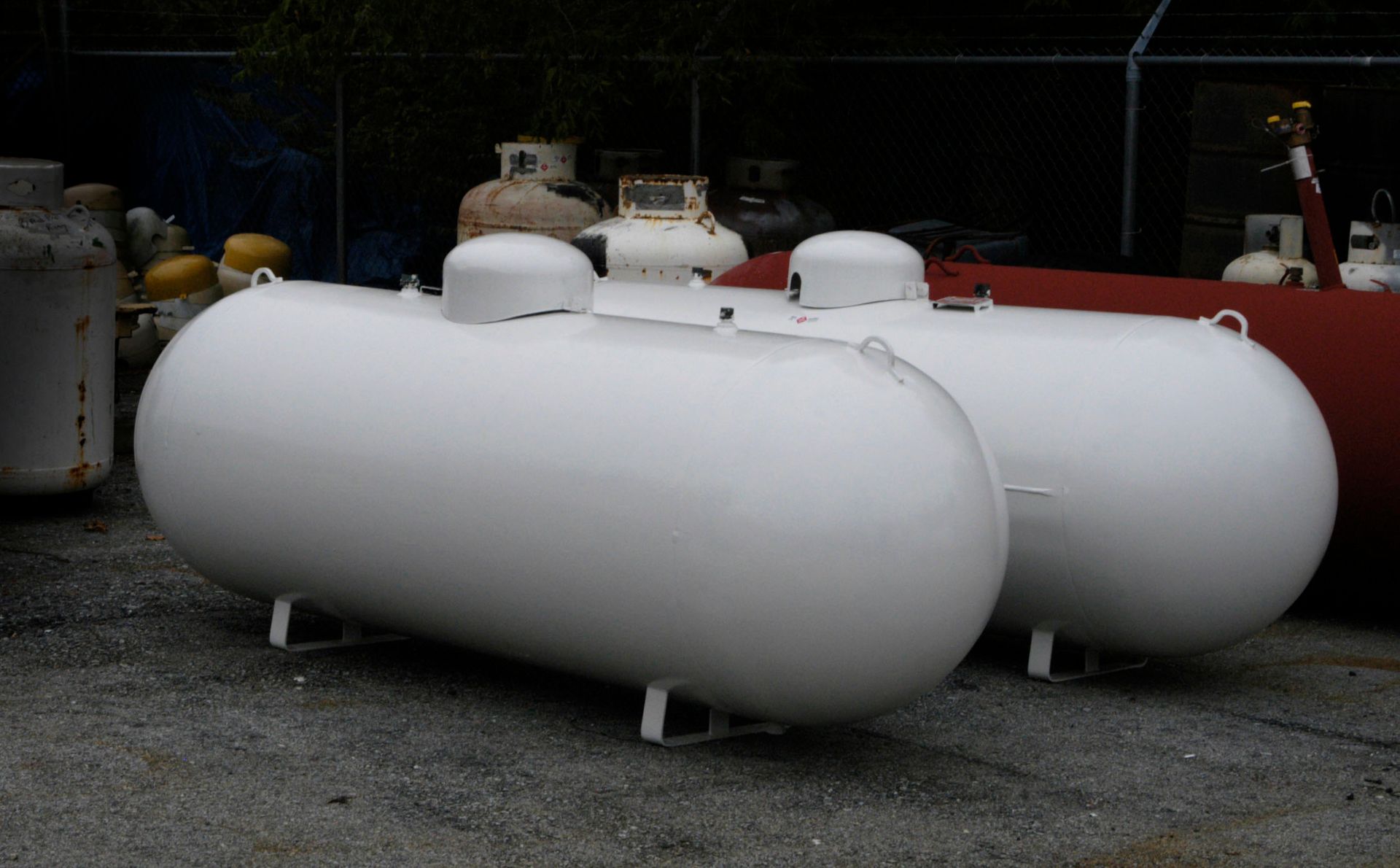
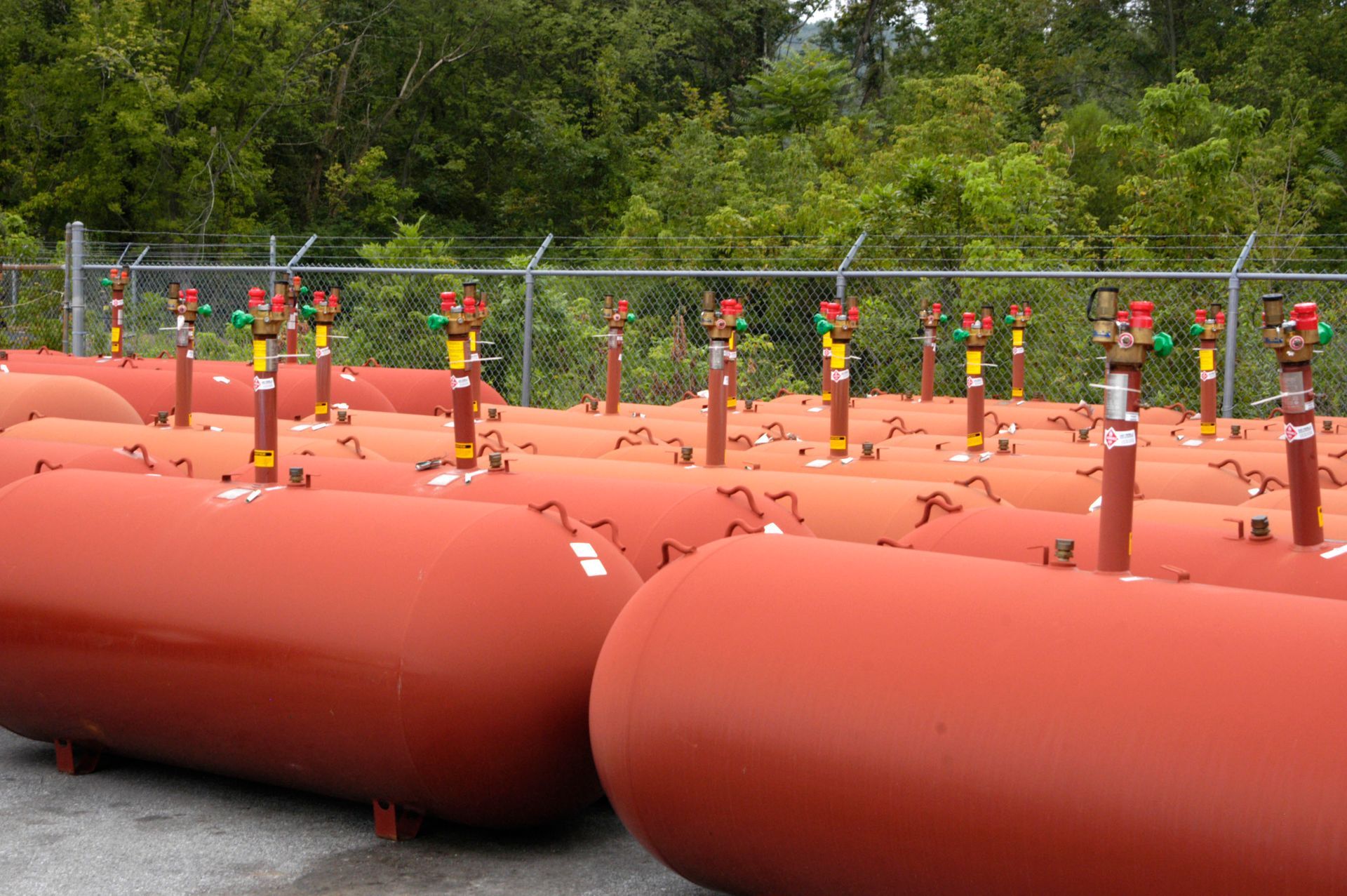
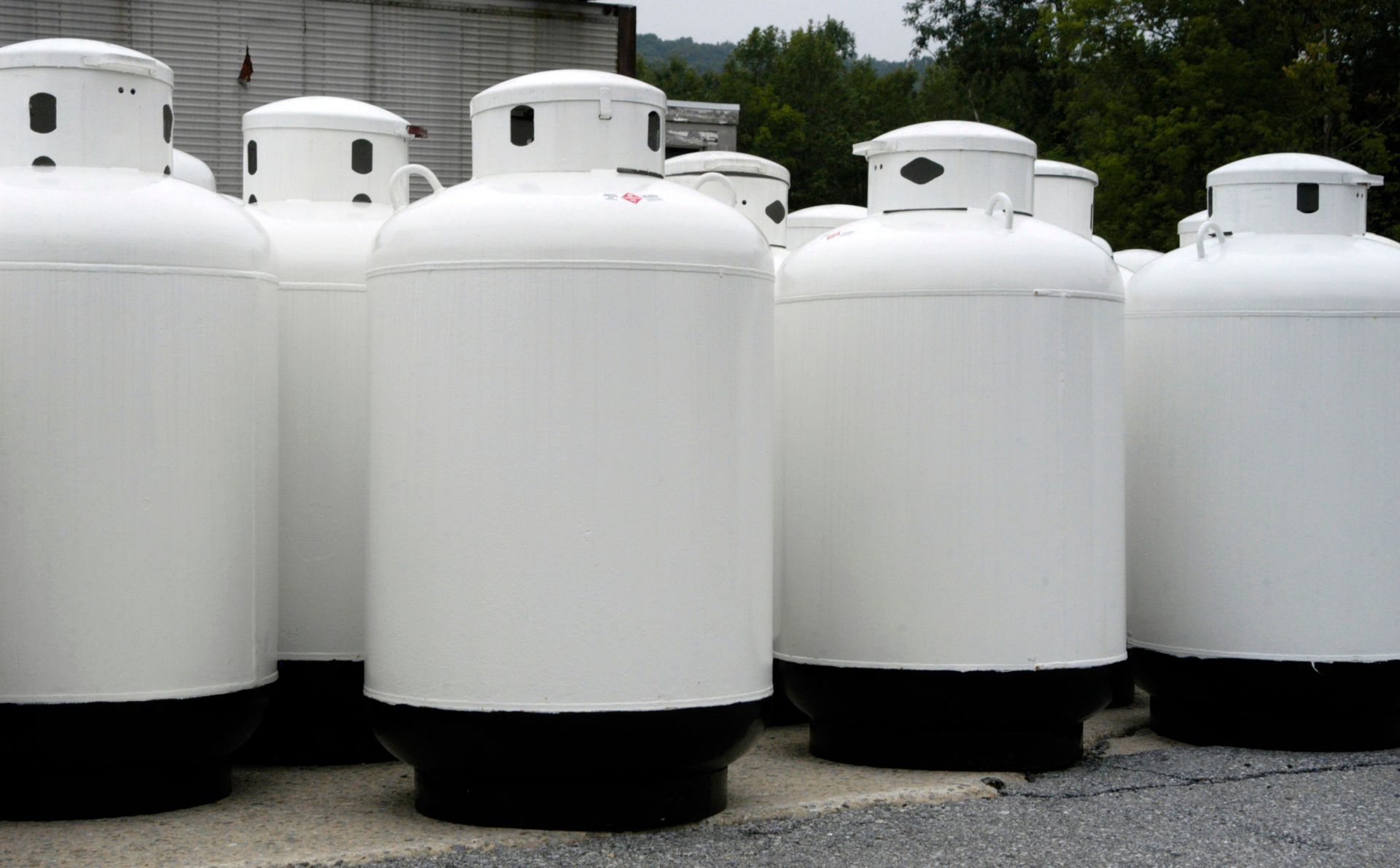
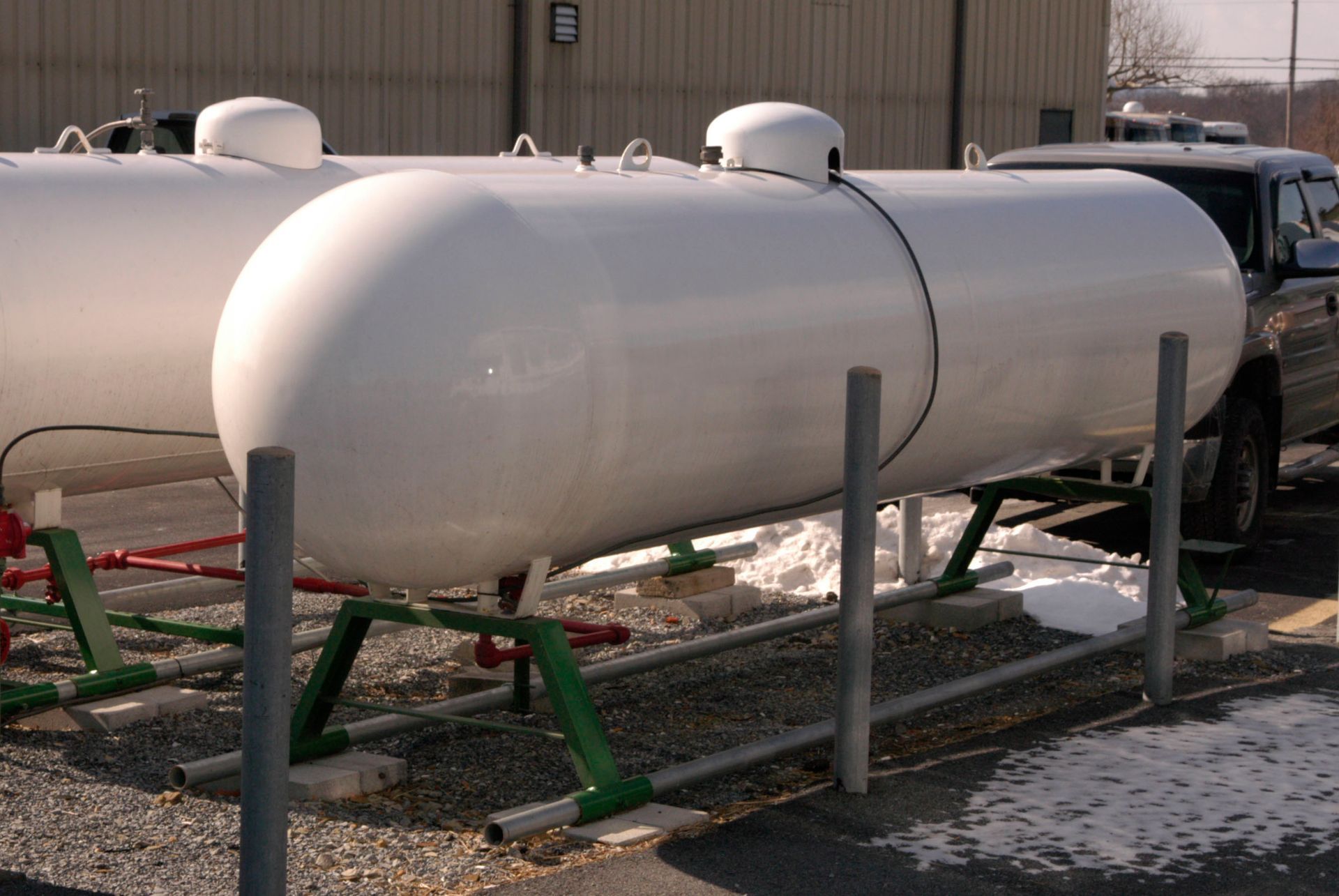
According to This Old House, propane storage tanks typically remain functional for roughly two to three decades, whether installed above or below ground. This longevity highlights an often-overlooked financial benefit: propane infrastructure is built for durability.
When both fuel systems and storage components last longer, total ownership costs decline.
5. Improve Energy Reliability to Avoid Costly Disruptions
Power outages can create unexpected expenses, from temporary heating solutions to food spoilage and emergency accommodations. Propane systems operate independently of the electrical grid, enhancing resilience during service interruptions.
Backup generators powered by local propane provide consistent emergency power without reliance on utility restoration timelines. This reliability can prevent indirect financial losses, particularly for businesses or households in outage-prone regions.
Reliability also supports system efficiency. Equipment that operates without frequent interruptions or voltage inconsistencies tends to perform more effectively, reducing wasted energy and unnecessary strain.
6. Increase Installation Value Through Professional System Design
While propane offers numerous savings opportunities, realizing those benefits depends heavily on correct system design and installation. Improper sizing, inadequate ventilation, or flawed tank placement can undermine efficiency and create safety risks.
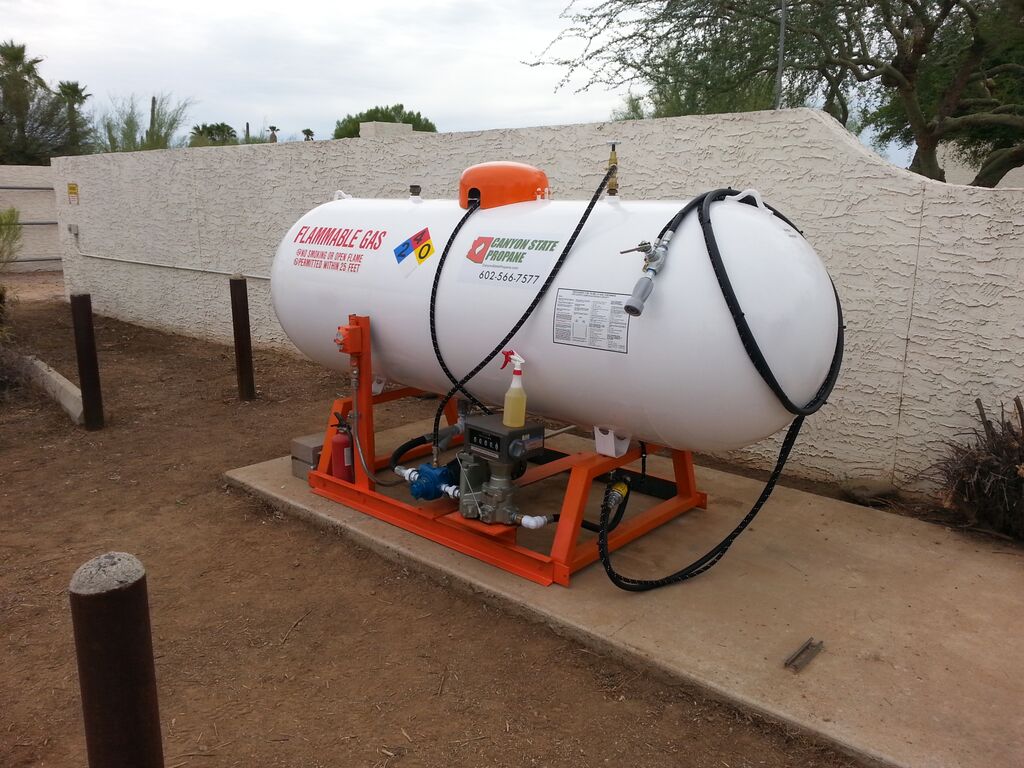
Professional propane tank installation ensures regulatory compliance, proper pressure calibration, and optimized fuel delivery. Attempting DIY installations often introduces costly complications, including performance inefficiencies, code violations, and potential hazards.
Certified technicians evaluate load requirements, appliance compatibility, and environmental considerations. This expertise protects both financial and operational outcomes. Homeowners relying on local propane systems installed by qualified professionals typically experience more consistent efficiency gains.
Investing in professional installation is not merely a safety decision — it is a financial optimization strategy.
7. Enhance Property Efficiency With Versatile Fuel Integration
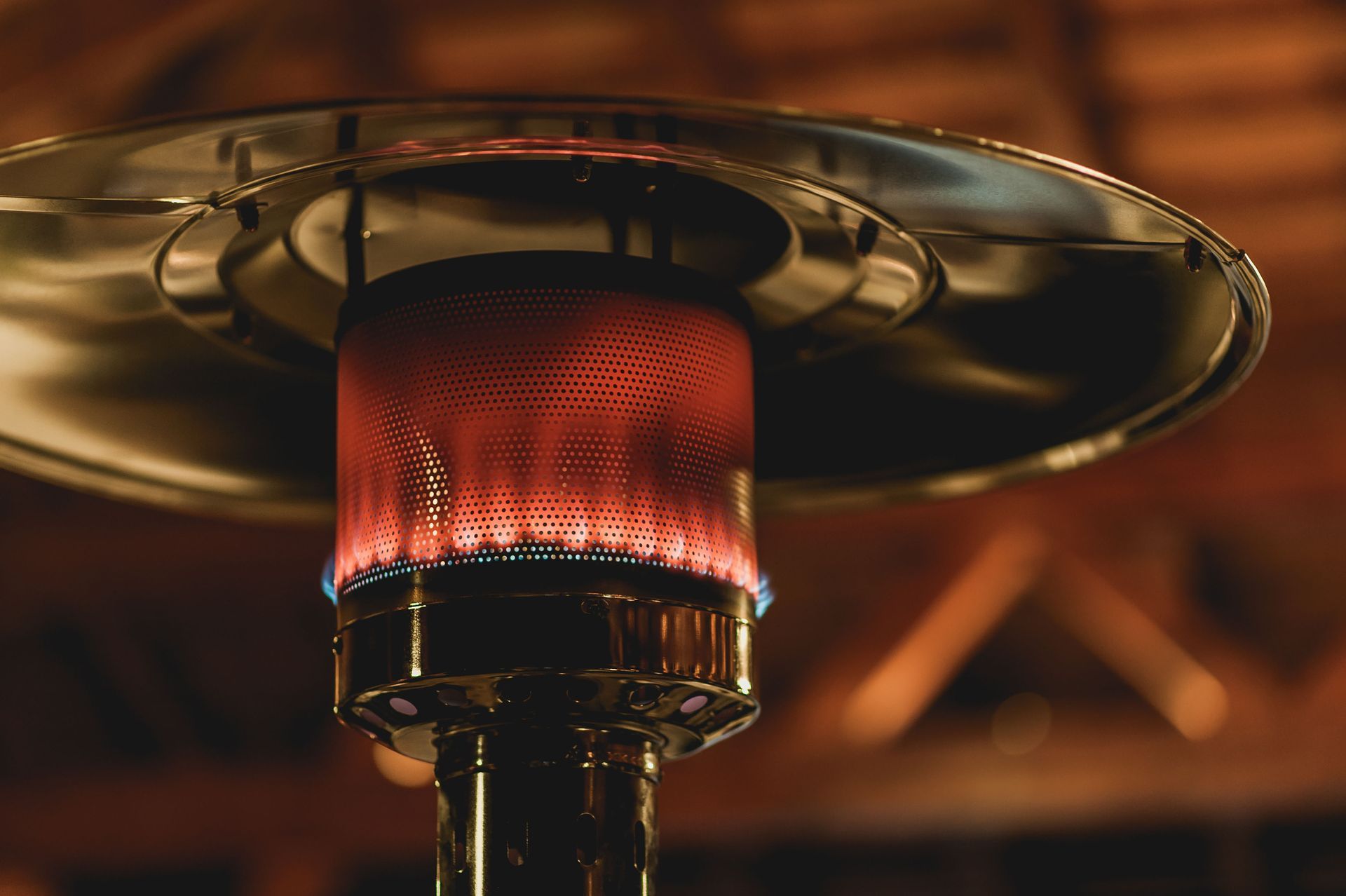
Propane's versatility allows homeowners to consolidate multiple energy needs under a single fuel source. Heating, cooking, water heating, fireplaces, outdoor living features, and generators can all operate from one integrated system.
Consolidation simplifies energy management and reduces inefficiencies associated with fragmented fuel sources. When households centralize around local propane, energy usage becomes easier to monitor and optimize.
This integration often supports future upgrades. As homeowners modernize appliances or expand living spaces, propane systems can scale without requiring major infrastructure changes.
Efficiency improvements achieved through fuel consolidation frequently produce sustained savings over the life of the property.
8. Reduce Environmental Impact to Support Long-Term Cost Benefits
Although environmental considerations are often framed separately from financial ones, the two are increasingly interconnected. Cleaner-burning fuels like propane contribute to lower emissions, which may influence regulatory incentives, equipment standards, and efficiency mandates.
Propane systems' reduced carbon intensity can align with evolving building efficiency requirements. Households using local propane may benefit indirectly through compliance advantages, improved resale appeal, and compatibility with energy-efficient technologies.
As efficiency standards tighten, systems already optimized for performance tend to avoid costly retrofits or replacements.
9. Minimize Maintenance Costs Through System Simplicity
Propane systems are mechanically straightforward compared to many alternatives. Fewer moving parts and cleaner combustion reduce the frequency of service interventions. Maintenance savings accumulate through fewer repairs, extended service intervals, and improved component reliability.
Professional inspections remain essential, but overall upkeep costs often remain lower. Households operating local propane equipment supported by routine professional maintenance typically encounter fewer unexpected expenses.
Preventative servicing ensures continued efficiency while preserving long-term cost advantages.
Propane's value proposition extends far beyond convenience. Its efficiency, durability, and performance characteristics position it as a practical tool for controlling energy expenses. From reduced heating costs to longer equipment lifespan, propane delivers financial benefits that compound over time.
However, maximizing those savings depends on working with qualified professionals. Proper tank installation, system design, and routine maintenance directly influence both safety and efficiency outcomes. DIY approaches frequently introduce hidden costs that erode potential savings.
If you're exploring ways to reduce energy bills while improving reliability and performance, propane deserves serious consideration.
For expert guidance, safe installation, and dependable fuel service, contact Canyon State Propane today. We'll help you install a system that delivers comfort, efficiency, and long-term savings.
Share On: