6 Signs Your Propane Gas Tank Needs Immediate Service
Homeowners often overlook the vital infrastructure systems that keep their properties warm, comfortable, and fully functional throughout the changing seasons. Maintaining your outdoor fuel storage unit requires consistent vigilance to prevent unexpected operational interruptions, costly emergency repairs, or hazardous structural failures within the home system.
Failing to monitor your home fuel vessel can lead to catastrophic system breakdowns when you least expect them during severe weather. Recognizing early warning signs ensures that your family remains completely secure while enjoying continuous warmth, reliable hot water, and optimal cooking comfort every single day.
Investing time in regular visual inspections protects your property investment from expensive emergency service calls later in the year. A well-maintained propane gas tank operates with peak energy efficiency and delivers consistent fuel pressure to all connected household heating appliances.
Ignoring subtle changes in your system performance frequently results in complete operational failure during peak winter usage months when technicians are busiest. Understanding what indicators require immediate professional intervention will help you maintain a safe, warm, and secure home environment for everyone in your household.
Proactive management of your domestic fuel infrastructure eliminates the anxiety associated with sudden system shutdowns. Staying informed about the condition of your equipment allows you to address minor maintenance requirements before they transform into major financial burdens.
1. Smell Rotten Eggs Outdoors
Leaking fuel creates a highly distinctive odor resembling sulfur or decaying organic matter that demands instant attention from residents. Safety mechanisms dictate that fuel manufacturers add this specific scent to assist homeowners in detecting dangerous vapor releases before they escalate into serious hazards.
If you detect this pungent aroma near your propane gas tank, you must evacuate the immediate vicinity without any delay. Avoid operating any electrical switches, lighting matches, using cellular phones, or starting vehicular engines during an active vapor odor event.
Professional technicians possess specialized electronic equipment designed to locate the exact source of vapor escapes safely and effectively. Prompt action protects your household from potential ignition hazards associated with uncontrolled vapor accumulation around the exterior foundation lines.
Maintaining an awareness of environmental scents around your property ensures that minor leaks are addressed before becoming major emergencies. Take every unusual smell seriously to protect your family and preserve your household property assets effectively over the long term.
- Extinguish all open flames immediately upon detecting unusual sulfurous scents.
- Evacuate every family member from the property to a secure outdoor location.
- Call emergency services from a safe distance outside the affected zone.
2. Notice Deep Rust Spots
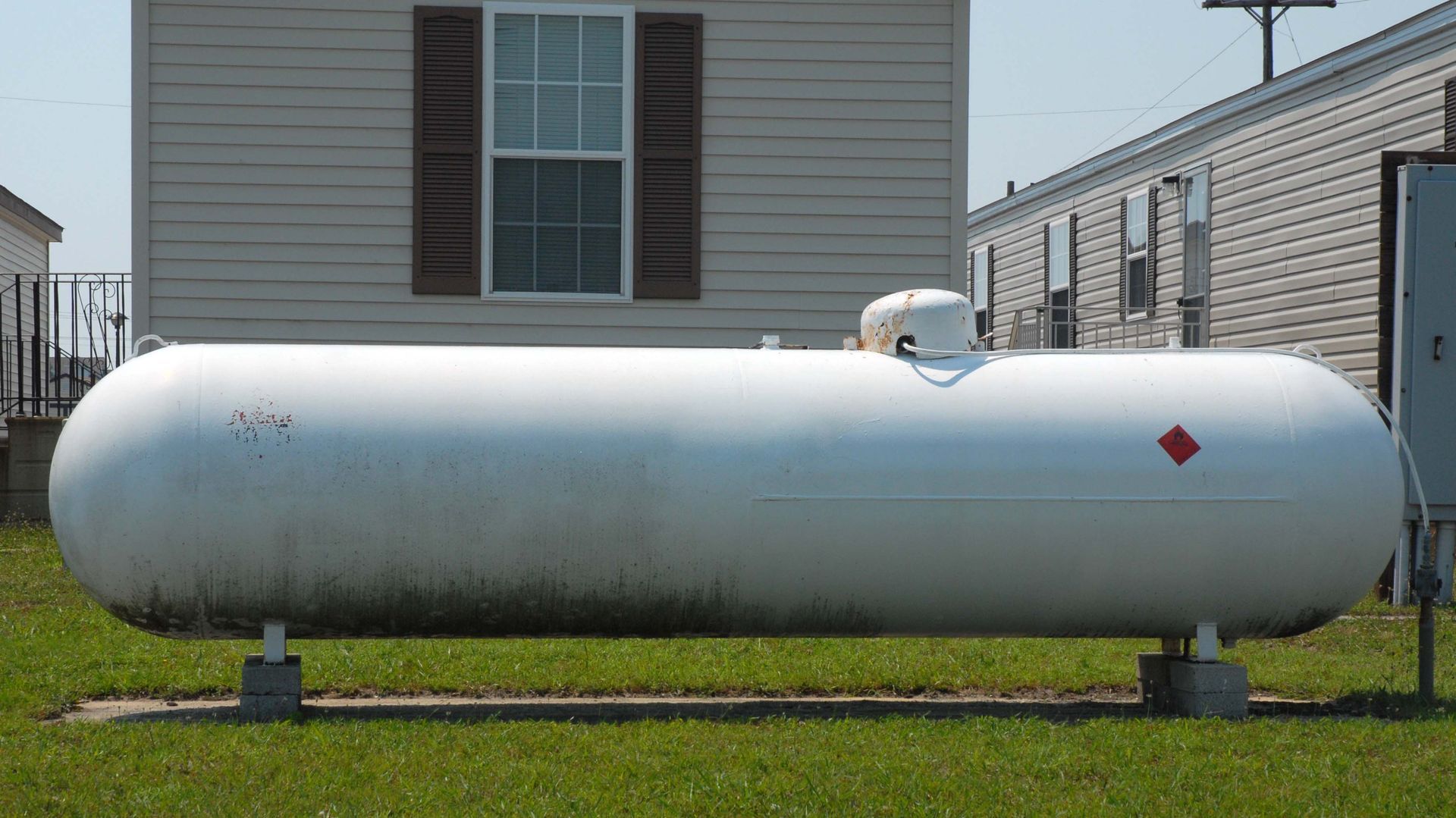
Surface discoloration might seem like a purely aesthetic issue, but deep corrosion compromises structural steel integrity significantly over time. Moisture accumulation breaks down protective exterior coatings, leaving the underlying metal vulnerable to progressive pitting and structural weakening.
According to This Old House, most propane tanks, whether above or below ground, last 20 to 30 years. However, severe environmental moisture can shorten this expected operational lifespan dramatically if structural oxidation remains unaddressed by qualified professionals.
Deep pits allow fuel to escape through microscopic fissures that remain entirely invisible to the untrained consumer eye. Routine structural assessments prevent minor surface oxidation from developing into severe structural defects that require total equipment replacement solutions.
Schedule an immediate professional inspection if you observe flaking metal or deep discoloration on the exterior storage shell. Catching corrosion early allows technicians to apply protective treatments and extend the usefulness of your current backyard setup.
3. Observe Defective Burner Flames
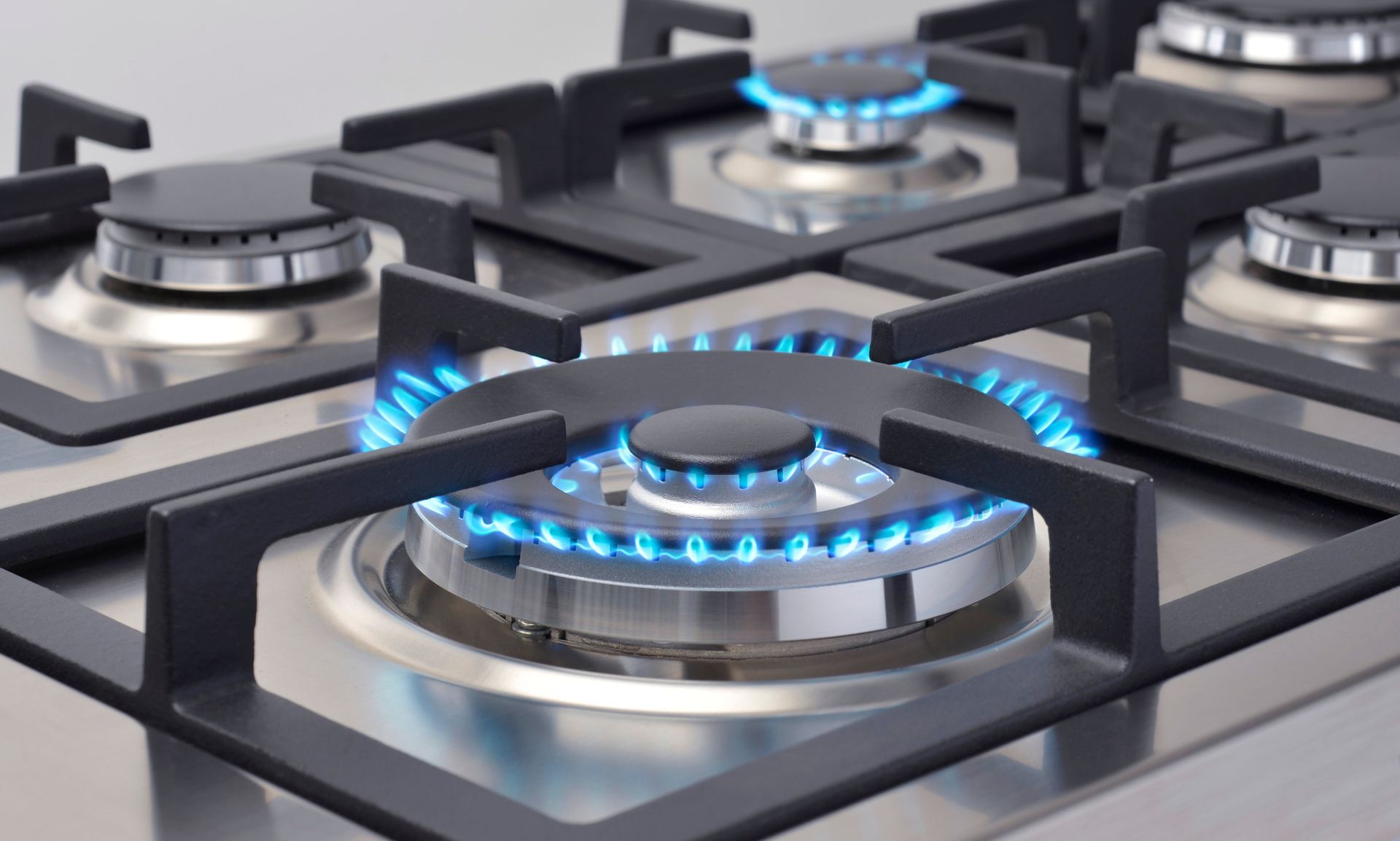
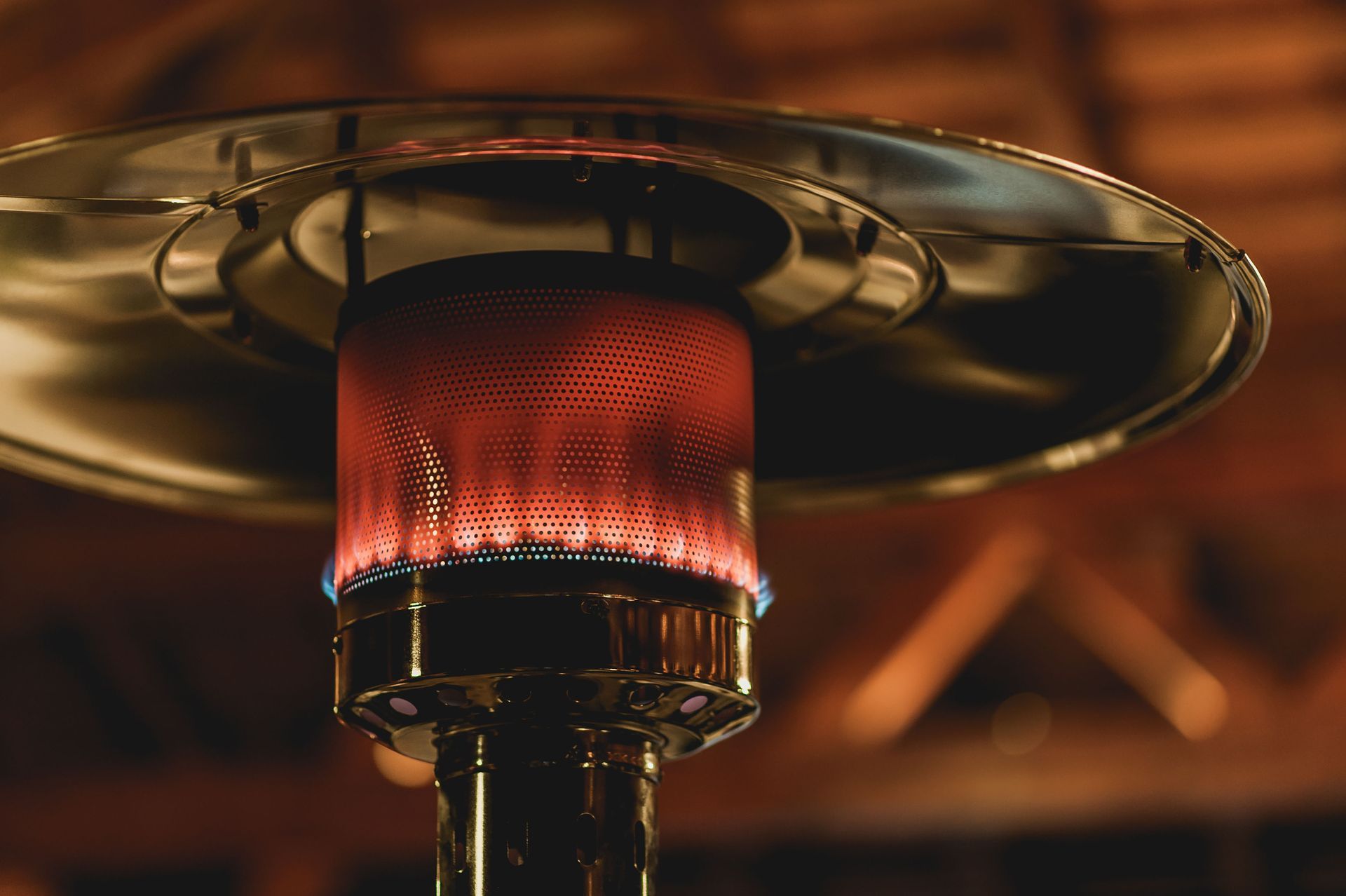
The appearance of your appliance burners provides direct insight into the overall health of your fuel supply system. Healthy systems produce a consistent blue flame that indicates complete combustion and proper gas mixture with surrounding oxygen supplies.
Yellow or flickering orange flames signal incomplete combustion caused by incorrect pressure or contaminated fuel delivery lines. This operational inefficiency means your propane gas tank might be experiencing internal delivery problems or serious pressure regulator malfunctions.
Incomplete combustion generates dangerous carbon monoxide, making flame observation a critical safety habit for every responsible property owner. Never ignore persistent color changes in your interior heating elements, water heaters, or cooking appliances.
Altered flame behavior requires a comprehensive diagnostic evaluation of the entire distribution network to restore maximum safety. Certified experts can adjust pressure regulators and clean delivery lines to ensure clean combustion throughout your home.
Monitoring the burners regularly helps detect underlying pressure issues before they impact your daily household routines significantly. Keep a close watch on your stove and furnace performance to maintain peak operating conditions.
4. Detect Trapped Moisture Clues
Internal moisture contamination leads to freeze-ups that block the continuous flow of fuel to your household appliances during winter. This hidden issue often manifests during sudden temperature drops when vapor path blockages occur inside the delicate regulator assembly.
A compromised propane gas tank can allow ambient humidity to enter during refueling processes or through faulty service valves. Once inside, water causes internal corrosion that sheds debris and clogs delicate fuel distribution components throughout the property.
If your heating system sputters or stops working entirely during freezing weather conditions, ice blockages are likely responsible. Protecting your propane gas tank from moisture intrusion requires keeping all service valves tightly sealed against external elements.
Technicians use specialized dehydrating agents to remove internal moisture and restore proper fuel flow dynamics safely and quickly. Regular preventive maintenance guards against this frustrating problem and ensures reliable winter performance when you need it most.
5. Hear Hissing Sound Vibrations
Audible signs of escaping gas indicate a critical situation that requires immediate isolation of the primary fuel source. A persistent hissing sound near the valve assembly strongly suggests that vapor is escaping under significant pressure into the air.
Inspect the connections surrounding your propane gas tank if you hear unusual noises during peak appliance usage periods. Even minor connection looseness can create audible vibrations as pressurized fuel forces its way through tiny structural gaps.
Defective relief valves can also produce distinct sounds when struggling to manage internal system pressures correctly during warm weather. Keeping your propane gas tank clear of debris allows you to hear these auditory warnings clearly without any obstruction.
Never attempt to tighten loose fittings yourself when you hear active pressure escaping from the main storage connection joints. Professional tools and specific expertise are required to resolve pressurized gas issues without causing further damage.
- Listen closely to the main valve assembly during quiet evening hours.
- Check connection joints using approved leak detection solution mixtures carefully.
- Request emergency assistance if auditory warnings persist after full valve closure.
6. Face Sudden Heating Drops
Experiencing an unexpected loss of warmth inside your home points to a major supply disruption or equipment failure. When fuel levels seem adequate but heat output plummets, the distribution system is failing to perform its core function.
Faulty regulators cannot maintain the steady pressure required to operate modern high-efficiency home heating systems effectively. This component failure prevents your propane gas tank from delivering adequate fuel volume to meet household demands during cold snaps.
Sluggish appliance performance or frequent system cycling indicates that your energy infrastructure requires professional troubleshooting immediately. Prompt diagnostics prevent total system lockouts during severe weather events when indoor heating is absolutely essential for survival.
Maintaining a comfortable indoor climate relies entirely on the seamless operation of your fuel storage and delivery components. Addressing pressure issues early saves energy costs and prevents unnecessary mechanical stress on your heating appliances.
Safeguarding your home infrastructure requires swift intervention when operational anomalies manifest in your fuel storage system. Reach out to Canyon State Propane today to schedule an expert inspection and secure your household's peace of mind.
Share On: